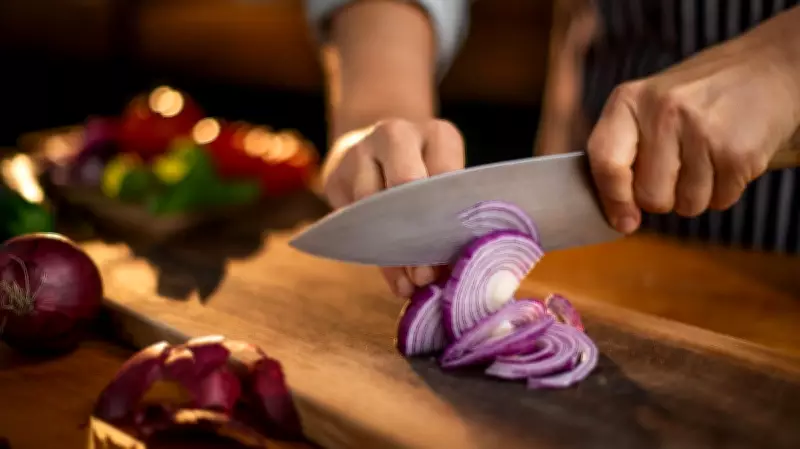
The Food Safety and Standards Authority of India (FSSAI) has issued a directive ordering all food businesses to replace rusted knives, blades, and other cutting tools to prevent contamination of food products. The food safety regulator emphasized that the use of damaged, inadequately cleaned, or non-food-grade knives can lead to physical, chemical, and microbiological contamination, posing serious health risks to consumers.
Key Requirements of the Order
Under the new directive, food businesses must ensure that all cutting equipment is made of food-grade materials, free from rust, cracks, or any signs of wear. Regular inspection and maintenance schedules must be implemented, and any defective tools should be replaced immediately. The FSSAI also stressed the importance of proper cleaning and sanitization procedures to eliminate microbial hazards.
Impact on Food Businesses
The order applies to all food handling establishments, including restaurants, hotels, street vendors, and food processing units. Non-compliance may result in penalties, suspension of licenses, or legal action. The FSSAI has urged businesses to adopt best practices in food safety to protect public health.

- Rusted blades can introduce metal fragments into food, causing physical injury.
- Improperly cleaned tools may harbor bacteria like Salmonella and E. coli.
- Non-food-grade materials can leach harmful chemicals into food.
Food safety experts have welcomed the move, stating that it addresses a often-overlooked source of contamination. Consumers are advised to report any concerns about food hygiene to local authorities.
The FSSAI continues to strengthen regulations to ensure safe food for all. This latest order is part of a broader effort to improve hygiene standards across the food industry.