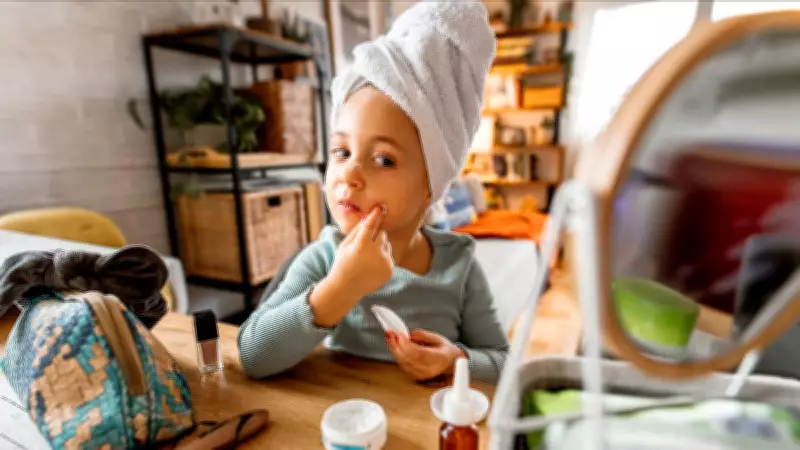
Cosmeticorexia: The Harmful Skincare Trend Driven by Social Media
Cosmeticorexia, a term describing an unhealthy obsession with skincare among young people, is gaining traction as a dangerous trend fueled by social media platforms like TikTok and Instagram. According to experts, this phenomenon goes beyond mere skincare interest, as children as young as pre-teens are turning to anti-aging products and complex routines, often linking their self-esteem to the appearance of their skin.
What Is Cosmeticorexia?
Cosmeticorexia refers to an excessive preoccupation with skincare, particularly among adolescents, who are influenced by online influencers and viral trends. Unlike typical skincare routines, this behavior involves using products intended for older skin, such as retinoids, acids, and other anti-aging treatments, without medical guidance. The trend has been linked to increased risks of skin damage, including irritation, burns, and long-term health issues.
Social Media's Role
Platforms like TikTok and Instagram are central to the spread of cosmeticorexia, where hashtags like #skincaretips and #antiaging amass billions of views. Influencers often promote elaborate routines featuring expensive and potent products, creating unrealistic standards for young audiences. A 2025 survey by the American Academy of Dermatology found that 35% of teens reported using anti-aging products regularly, a sharp increase from previous years.

Psychological Impact
Dr. Laura Hernandez, a child psychologist, notes: "When a young child learns that their skin needs fixing, it's not about skincare obsession. The issue is that children are attaching their worth to how flawless their skin appears." This trend can lead to anxiety, body dysmorphia, and low self-esteem, as young users constantly compare themselves to filtered and edited images online.
Health Risks
Dermatologists warn that using strong active ingredients like retinol or alpha hydroxy acids on young skin can disrupt the skin barrier, causing redness, peeling, and increased sensitivity. In severe cases, it may lead to scarring or dermatitis. The American Academy of Pediatrics advises against using anti-aging products on children and recommends simple routines with gentle cleansers and moisturizers.
Parental Guidance and Prevention
Experts urge parents to monitor their children's social media consumption and encourage open conversations about body image and self-worth. Schools and health organizations are developing educational programs to combat the trend, emphasizing that skincare should focus on health, not appearance. As cosmeticorexia continues to spread, awareness and early intervention are key to protecting young people from its harmful effects.