Knee Injuries: A Common Problem Across Ages
Knee injuries, including fractures, dislocations, ligament tears, and meniscus tears, are frequent after accidents or falls. Older adults face higher risk as collagen fibres in the meniscus weaken and cartilage thins with age. Even simple movements like standing up from a chair or stepping off a curb can cause meniscus tears in the elderly.
Real-Life Cases Highlight Impact
AHana (19) dislocated her knee and suffered multiple ligament tears after falling while driving her scooter. She underwent surgery to repair all ligaments and has returned to an active lifestyle including gyming, trekking, and dancing. Sangrur-based Pramod (32) experienced sudden knee pain while getting out of a car, which persisted for six months. He was diagnosed with a meniscus tear and after surgery, he is back to normal life.
Knee Anatomy Explained
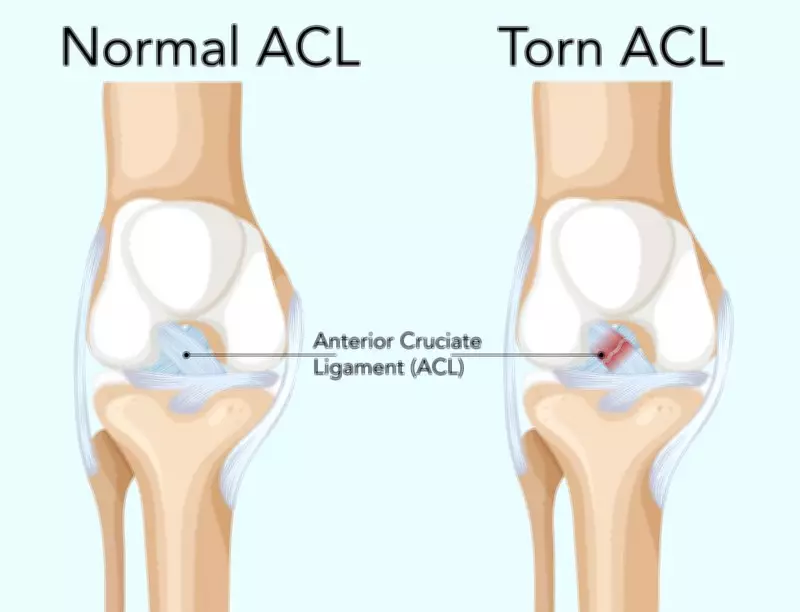
The knee consists of four bones: the thigh bone (femur), shinbone (tibia), calf bone (fibula), and kneecap (patella). These are held together by four ligaments: anterior and posterior cruciate ligaments (ACL, PCL) and medial and lateral collateral ligaments (MCL, LCL). Bony surfaces are covered with hyaline cartilage, ensuring friction-free movement. Two shock-absorbing wedges called medial and lateral menisci are also present.

Common Knee Injuries and Risk Factors
Ligament tears are more common in young, active adults and sportspersons. ACL tear is the most frequent, occurring during sports like soccer, basketball, skiing, cricket, kabaddi, dance, athletics, and contact sports like wrestling, as well as during accidents or sudden falls. Both ligament and meniscus tears cause significant pain and swelling. If untreated, they can damage the hyaline cartilage through repeated scratching. A history of knee injuries like ACL tear makes the meniscus more vulnerable.
Symptoms That Require Medical Evaluation
Key symptoms include a popping or crunching noise at the time of injury, pain and swelling or locking in the knee, weakness or instability (feeling like the knee might give out), inability to fully straighten or bend the knee, and inability to bear weight on the affected foot. While fractures and dislocations are diagnosable with X-rays and CT scans, ligament, meniscus, and hyaline cartilage injuries require MRI as they are not visible on X-ray.
Immediate First Aid: PRICE Therapy
The recommended initial treatment is PRICE therapy: Pain medicines, Rest to the knee joint, Ice application every hour for 10 minutes, Compression bandage, and Elevating the leg above heart level.
Treatment and Recovery Options
Minimally displaced stable fractures require simple immobilisation, while displaced or potentially unstable fractures need surgical intervention with plates and/or screws. Ligament and meniscus tears require keyhole (arthroscopic) surgery, which often allows patients to become mobile the very next day. Recovery is swift; sportspersons can return to practice in 2-3 months and to full sports in 5-6 months after such surgery.