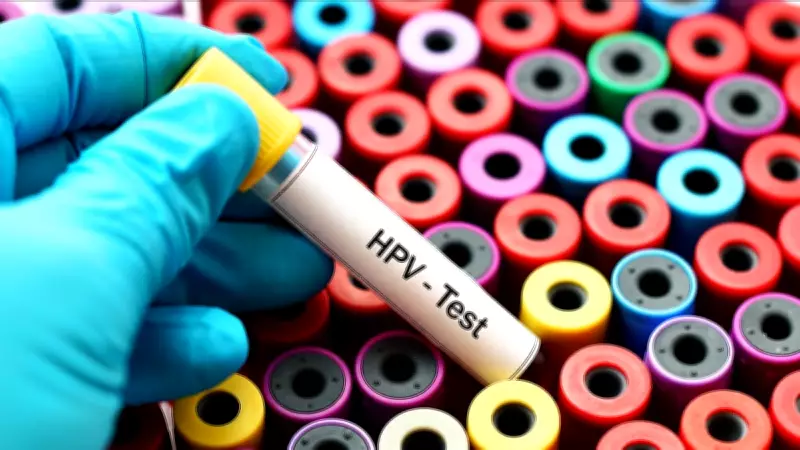
Cervical cancer remains a significant health concern for women worldwide, but it is one of the most preventable and treatable cancers when detected early. Screening plays a pivotal role in reducing both incidence and mortality rates. This article explores why screening matters and what women need to know.
The Importance of Regular Screening
Cervical cancer develops slowly over years, often starting with precancerous changes in the cervix. Regular screening can identify these changes before they become cancerous. The two main screening tests are the Pap smear (or Pap test) and the HPV (human papillomavirus) test. The Pap smear looks for abnormal cells, while the HPV test detects the virus that causes most cervical cancers.
Who Should Get Screened?
According to health guidelines, women should begin screening at age 21. For women aged 21 to 29, a Pap smear every three years is recommended. For those aged 30 to 65, a Pap smear combined with an HPV test every five years is preferred. Women over 65 who have had regular screenings with normal results may stop screening. However, those with a history of cervical precancer or cancer should continue screening for at least 20 years after diagnosis.

Why Many Women Skip Screening
Despite the benefits, many women avoid screening due to fear, embarrassment, lack of time, or misinformation. Cultural barriers and limited access to healthcare also contribute. In India, where cervical cancer is the second most common cancer among women, awareness and screening rates remain low. The government has launched initiatives like the National Programme for Prevention and Control of Cancer, Diabetes, Cardiovascular Diseases and Stroke (NPCDCS) to promote screening, but more efforts are needed.
The Role of HPV Vaccination
Vaccination against HPV is a powerful preventive tool. The HPV vaccine is recommended for girls and boys aged 9 to 14, ideally before they become sexually active. It protects against the HPV types that cause most cervical cancers. While vaccination does not replace screening, it significantly reduces the risk. India has introduced the HPV vaccine in some states, but coverage is still low due to cost and awareness issues.
Common Myths About Cervical Cancer Screening
- Myth: Screening is painful. Fact: It may cause mild discomfort but is generally quick and tolerable.
- Myth: Only sexually active women need screening. Fact: All women should start screening at age 21 regardless of sexual activity.
- Myth: If I have no symptoms, I don't need screening. Fact: Precancerous changes often have no symptoms.
- Myth: The HPV vaccine makes screening unnecessary. Fact: Vaccination reduces risk but does not eliminate the need for screening.
What Happens If Screening Finds Abnormalities?
If a Pap smear or HPV test is abnormal, follow-up tests like colposcopy (a magnified examination of the cervix) may be recommended. If precancerous cells are found, they can often be removed with minor procedures, preventing cancer from developing. Early-stage cervical cancer has a high survival rate, especially when treated promptly.
Steps to Improve Screening Uptake
To increase screening rates, public health campaigns must address barriers. Community outreach, mobile screening units, and education in schools and workplaces can help. Healthcare providers should recommend screening to all eligible women and explain its importance. Additionally, reducing the cost of screening and making it more accessible in rural areas is crucial.
In conclusion, cervical cancer screening saves lives. It is a simple, effective way to detect abnormalities early and prevent cancer. Women are encouraged to talk to their doctors about when and how often to get screened. With regular screening and HPV vaccination, cervical cancer can become a rare disease.