When it comes to fitness routines, many people focus on visible muscles like biceps, abs, and quads while completely overlooking a crucial muscle group: the inner thighs. This neglect could be compromising your overall strength, stability, and even putting you at risk for injuries.
The Surprising Role of Your Inner Thigh Muscles
Your inner thighs, medically known as the adductor muscles, consist of five different muscles that work together to bring your legs toward the midline of your body. These muscles play a vital role in stabilizing your pelvis and supporting your core during movement. When weak, they can lead to poor alignment and compensation patterns that affect your entire body.
Many fitness enthusiasts make the mistake of believing that squats and lunges adequately work the inner thighs. While these compound exercises do engage them to some extent, they don't provide the targeted strengthening that adductor muscles require for optimal function. This oversight can create muscle imbalances that hinder performance in various physical activities.

Five Compelling Reasons to Train Your Inner Thighs
Improved Stability and Balance: Strong adductors act as stabilizers for your hips and pelvis. This enhanced stability translates to better balance during daily activities and sports performance. Whether you're navigating uneven surfaces or making quick directional changes in sports, well-trained inner thighs provide the foundation you need.
Injury Prevention: Weak inner thighs often lead to overcompensation by other muscle groups, particularly the hip flexors and glutes. This imbalance can result in groin strains, hip pain, and even knee problems. By strengthening your adductors, you create a more balanced musculoskeletal system that distributes forces evenly during movement.
Enhanced Athletic Performance: Nearly every sport that involves running, jumping, or changing direction relies on strong adductor muscles. Soccer players, basketball athletes, and runners all benefit from powerful inner thighs that provide explosive lateral movement and quick directional changes.
Better Posture and Alignment: Your adductors connect to your pelvic floor and work in coordination with your deep core muscles. When properly strengthened, they help maintain proper pelvic alignment, which directly impacts your posture. This can alleviate lower back pain caused by pelvic tilting and misalignment.
Functional Strength for Daily Life: Simple activities like getting out of a car, climbing stairs, or even walking require adequate inner thigh strength. As we age, maintaining strength in these muscles becomes increasingly important for mobility and independence.
Effective Exercises to Strengthen Your Inner Thighs
Fortunately, incorporating inner thigh training into your routine doesn't require expensive equipment or complicated movements. Here are some effective exercises that target this crucial muscle group:
Sumo Squats: With feet wider than shoulder-width and toes pointed slightly outward, lower into a squat position. This variation places greater emphasis on the adductors compared to traditional squats. Focus on keeping your knees aligned with your toes throughout the movement.
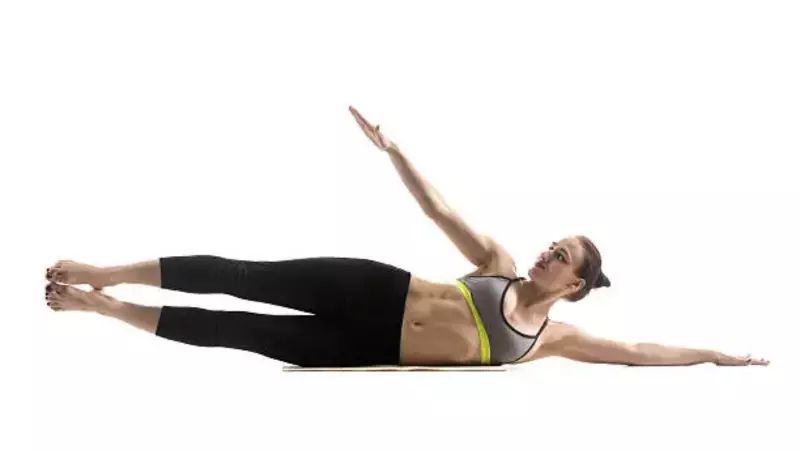
Side-Lying Leg Lifts: Lie on your side with your bottom leg bent for stability. Slowly lift your top leg toward the ceiling, then lower it back down. For added resistance, you can use ankle weights or resistance bands.
Copenhagen Planks: This advanced exercise specifically targets adductor strength and stability. Position yourself sideways with your bottom leg resting on a bench or platform while maintaining a straight body line.
Adductor Machine: If you have access to a gym, the adductor machine provides controlled, targeted resistance. Focus on slow, controlled movements rather than using momentum to move the weight.
Resistance Band Exercises: Place a resistance band around your ankles or thighs and perform lateral walks or standing leg adductions. These exercises effectively activate the inner thigh muscles without requiring heavy weights.

Integrating Inner Thigh Training Into Your Routine
For optimal results, aim to include inner thigh exercises in your workout routine 2-3 times per week. Start with bodyweight exercises to establish proper form before adding resistance. Always prioritize quality of movement over quantity to ensure you're effectively targeting the right muscles without compromising form.
Remember that muscle recovery is equally important. Allow at least 48 hours between intense adductor workouts to give your muscles time to repair and grow stronger. Incorporating stretching and foam rolling can also help maintain flexibility in this often-tight area.
The benefits of training your inner thighs extend far beyond aesthetic considerations. By giving this neglected muscle group the attention it deserves, you're investing in better movement quality, reduced injury risk, and improved performance in all your physical activities. Don't let these crucial muscles remain the weak link in your fitness chain any longer.