New World Screwworm Threat Resurfaces: US on Alert for Flesh-Eating Fly's Return
A parasitic insect that once caused widespread devastation across North America is once again capturing the attention of scientists and health authorities. The New World screwworm, a flesh-eating fly notorious for attacking warm-blooded animals, was successfully eliminated from the United States decades ago through a coordinated and intensive control programme. However, recent discussions among experts and animal health officials have ignited fresh concerns about its possible resurgence. This renewed focus underscores the critical need to understand how this dangerous pest could re-emerge and the profound implications it holds for human populations, domestic animals, and vital livestock industries.
What Is the Screwworm Fly?
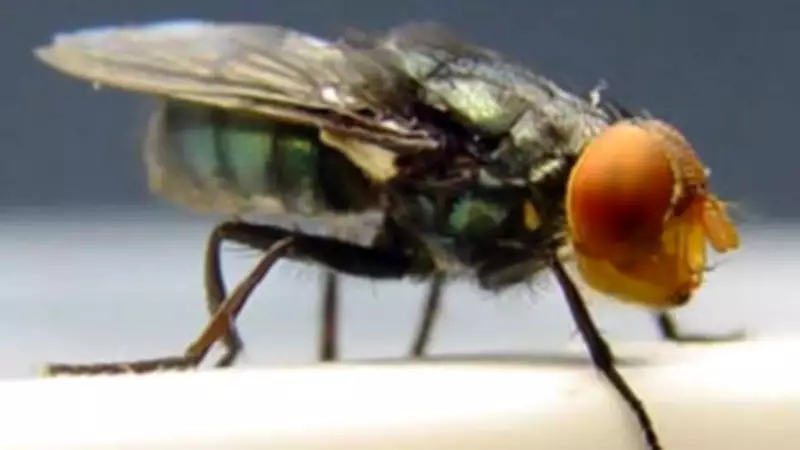
The insect commonly referred to as the screwworm is scientifically known as Cochliomyia hominivorax. It is a specific type of blowfly whose larvae consume the living tissue of animals. Unlike many other flies, the screwworm lays its eggs directly on open wounds, cuts, or even minor scratches. Upon hatching, the larvae burrow into the flesh and begin feeding, leading to severe and painful infections known as myiasis. According to the Centers for Disease Control and Prevention, infestations can deteriorate rapidly if left untreated, often resulting in serious injury or death, particularly in livestock.
How the United States Eliminated the Screwworm
Historically, the United States faced extensive outbreaks of screwworm infestations, especially in southern states. To combat this menace, authorities launched a large-scale eradication programme utilizing the Sterile Insect Technique. The United States Department of Agriculture explains that this innovative method involved releasing millions of sterilized male flies into the wild. When these males mated with females, no offspring were produced, gradually reducing the population over time. This strategy proved highly effective, leading to the screwworm's eradication from the United States by 1966. The programme was subsequently extended into Mexico and Central America to prevent the insect from migrating northward. The Food and Agriculture Organization recognizes this as one of the most successful biological pest control initiatives ever implemented.

Why Concerns About the Screwworm Fly's Return Are Growing
Despite its elimination from the United States, the screwworm has not vanished globally. It remains prevalent in certain regions of South America and parts of the Caribbean. The USDA warns that the insect could potentially re-enter cleared areas due to factors such as livestock movement, wildlife migration, or international trade. Additionally, the FAO highlights that such parasites might spread if monitoring systems falter or if infected animals cross borders. Climate factors, including warmer temperatures, could also enable the screwworm to establish itself in new habitats, exacerbating the risk of reintroduction.
How the Screwworm Affects Animals and Humans
The screwworm primarily targets livestock such as cattle, sheep, and goats, but it also poses a threat to wild animals and domestic pets. The larvae invade wounds and consume living tissue, causing intense pain, swelling, and severe infections. According to the CDC, human cases are rare but can occur, particularly when wounds are not properly treated. Immediate medical intervention is essential to remove the larvae and prevent complications. Economically, the screwworm represents a significant threat, as past outbreaks have led to substantial losses for farmers and disrupted agricultural systems, underscoring its impact beyond mere health concerns.

What Authorities Are Doing Now to Prevent a Comeback
Although the screwworm is not currently established in the United States, robust monitoring systems remain actively in place. The USDA continues to implement stringent programmes, including rigorous import controls and thorough inspections of livestock. Border checks, veterinary screenings, and heightened farmer awareness are key strategies to prevent reintroduction. In the event a case is detected, rapid response measures are deployed to contain the situation. The FAO emphasizes that early detection and immediate action are paramount to averting large-scale outbreaks and maintaining the hard-won eradication status.
Why This Insect Still Matters Today
The screwworm serves as a powerful reminder of how a seemingly small parasite can exert a major influence on agriculture and public health. Decades after its removal from the United States, the potential for its return continues to be closely monitored by experts. Sustained vigilance, the application of scientific control methods, and international collaboration are essential to ensure this destructive pest does not regain a foothold. The ongoing efforts highlight the importance of proactive measures in safeguarding both economic stability and human well-being from such invasive threats.