

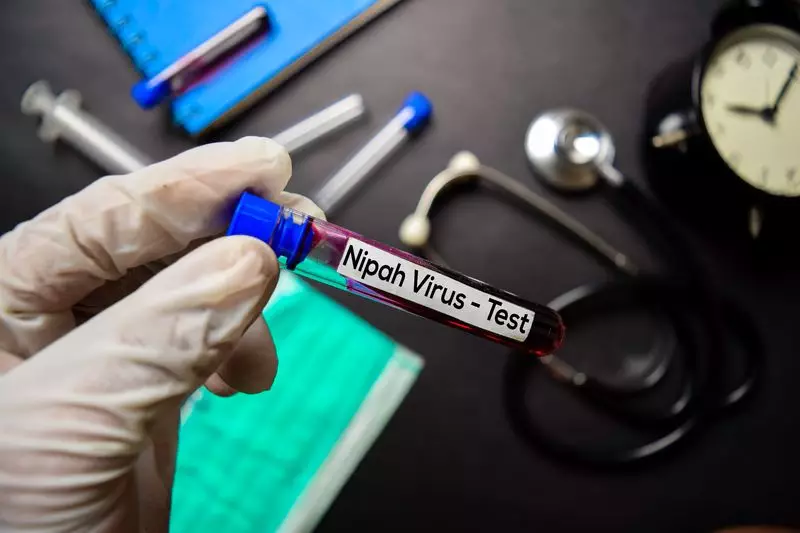
Nipah Virus Cases Confirmed in India: Health Authorities Issue Urgent Alert
Health officials in India have reported the emergence of two confirmed cases of Nipah virus, sparking concerns and triggering a swift public health response. This development has put medical teams and government agencies on high alert to prevent potential outbreaks and ensure community safety.
Understanding the Nipah Virus: Origins and Transmission
The Nipah virus is a zoonotic pathogen, meaning it can be transmitted from animals to humans. It was first identified during an outbreak in Malaysia in 1999 and has since been linked to fruit bats, particularly flying foxes, which serve as natural reservoirs. Human infections typically occur through direct contact with infected animals, consumption of contaminated food products like raw date palm sap, or close contact with infected individuals.
Transmission can happen in various ways:

- Direct exposure to infected bats or their secretions.
- Consuming fruits or other food items contaminated by bat saliva or urine.
- Human-to-human spread through respiratory droplets or bodily fluids.
Symptoms and Health Risks Associated with Nipah Virus
Infection with the Nipah virus can lead to a range of symptoms, from mild illness to severe, life-threatening conditions. Initial signs often resemble those of common respiratory or flu-like illnesses, making early detection challenging.
Common symptoms include:
- Fever and headache, which are often the first indicators.
- Muscle pain and general fatigue, leading to significant discomfort.
- Respiratory issues such as cough and sore throat.
- In severe cases, encephalitis or brain inflammation, which can cause disorientation, seizures, and coma.
The mortality rate for Nipah virus infections is notably high, estimated between 40% to 75%, depending on the outbreak and healthcare response. Survivors may experience long-term neurological complications, emphasizing the need for prompt medical intervention.
Public Health Measures and Preventive Guidelines
In response to the confirmed cases, Indian health authorities have activated surveillance systems and issued detailed guidelines to curb the spread. These measures are critical in high-risk areas and among populations with potential exposure.
Key preventive steps recommended by experts:
- Avoiding contact with sick animals, especially bats and pigs, which are known carriers.
- Practicing good hygiene, including frequent handwashing with soap and water.
- Ensuring food safety by thoroughly washing fruits and avoiding consumption of raw date palm sap.
- Using personal protective equipment when caring for infected individuals to prevent human-to-human transmission.
Health facilities are also enhancing isolation protocols and diagnostic capabilities to manage suspected cases effectively. Public awareness campaigns are being rolled out to educate communities about risk factors and early warning signs.
Global Context and Lessons from Past Outbreaks
The Nipah virus has caused several outbreaks in South and Southeast Asia, including incidents in Bangladesh and India. Past experiences highlight the importance of rapid response, community engagement, and cross-border cooperation in managing such health threats.
Research and vaccine development efforts are ongoing, with some candidates showing promise in early trials. However, until widespread vaccination is available, reliance on preventive practices and robust healthcare infrastructure remains paramount.
As India addresses these new cases, the situation underscores the ongoing challenges posed by emerging infectious diseases and the need for vigilance in public health preparedness.






