Mumbai Witnesses Substantial Decline in Drug-Resistant Tuberculosis Cases
Mumbai has achieved a significant public health milestone with a 28% reduction in multi-drug resistant tuberculosis (MDR-TB) cases over the past three years. The annual count of resistant cases has dropped dramatically from 5,698 in 2022 to just 4,080 in 2025, marking a substantial improvement in the city's battle against this persistent infectious disease.
New Treatment Regimen Shows Promising Results
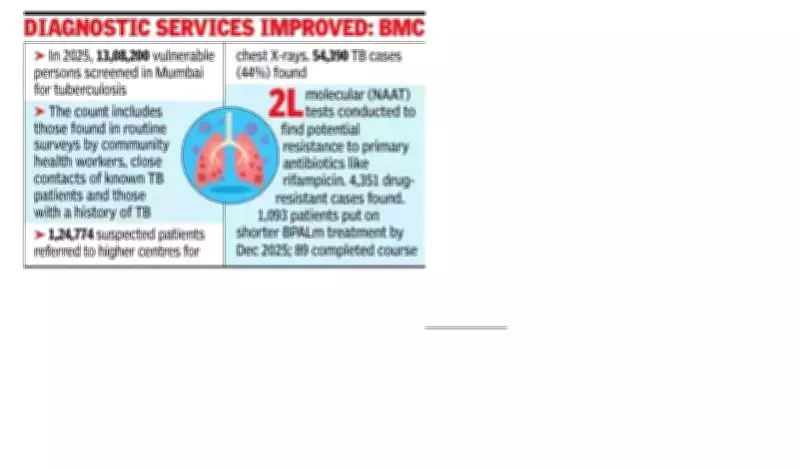
A key factor in this progress appears to be the introduction of the BPaLM regimen, which has revolutionized treatment protocols for eligible patients. This innovative approach has successfully reduced treatment duration from the traditional 18 months to just six months, offering hope to those battling this challenging condition. Currently, 1,093 drug-resistant patients are benefiting from this accelerated treatment pathway.
However, not all patients qualify for this new regimen under current medical guidelines. The exclusion criteria include pediatric patients under 14 years of age, individuals with extrapulmonary TB (EPTB), and those with prior exposure to bedaquiline—a primary component of the new drug combination.

Overall TB Trends Show Mixed Picture
The broader tuberculosis landscape in Mumbai reveals both encouraging and concerning patterns:
- Total TB cases have shown consistent decline: 63,575 in 2023, 60,633 in 2024, and 54,390 in 2025
- Of the 2025 cases, 48,835 were confirmed residents of Mumbai
- Extrapulmonary TB cases have increased marginally from 38% of all TB cases in 2024 to 40% in 2025
- Approximately 6% of cases involved pediatric patients
Diagnostic Challenges and Funding Issues
Frontline healthcare workers have raised concerns about potential underdiagnosis affecting the reported decline in drug-resistant TB cases. A shortage of CB-NAAT cartridges—automated rapid diagnostic tools supplied by the central TB division—may be contributing to this diagnostic gap.
"There is also underdiagnosis of EPTB cases," revealed a TB department staffer. "Private doctors and laboratories previously collaborated with BMC to conduct testing, but they have not received payments for the last two years, causing this crucial testing to stop."
A leading TB specialist in Mumbai confirmed that biopsies for extrapulmonary TB decreased last year due to these persistent funding challenges, potentially masking the true extent of the disease burden.
Health Authorities Maintain Confidence in Data
Despite these concerns, executive health officer Dr. Daksha Shah asserts that overall testing remains stable. Citing data from both CB-NAAT and TrueNAT diagnostic platforms, Dr. Shah noted that Mumbai maintained consistent annual testing of approximately 2.2 lakh samples throughout 2024 and 2025.
"We are confident that cases of DR-TB have genuinely reduced in the city," Dr. Shah emphasized. "This achievement reflects the dedicated efforts of our health department. Early diagnosis through CB-NAAT testing has effectively interrupted transmission chains, contributing to this positive trend."
The contrasting perspectives highlight the complex interplay between medical advancements, diagnostic capabilities, and healthcare funding in Mumbai's ongoing fight against tuberculosis. While the reported decline offers encouraging news, healthcare professionals continue to advocate for sustained investment in diagnostic infrastructure to ensure accurate disease surveillance and effective patient care.