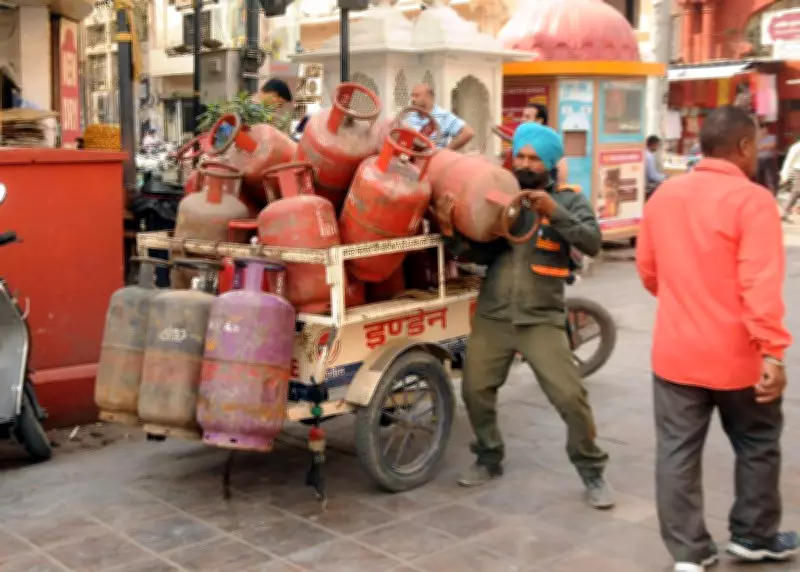
Amritsar's Mid-Day Meal Program Faces Crisis Due to LPG Supply Disruptions
The Mid-Day Meal Scheme, a cornerstone of India's school nutrition program, is confronting a severe threat in Amritsar due to ongoing disruptions in LPG supply. This critical issue jeopardizes the daily provision of hot meals to thousands of students across the region, raising concerns about their health, education, and overall well-being.
Impact on School Operations and Student Nutrition
The LPG supply disruptions have directly impacted the cooking infrastructure essential for preparing meals under the Mid-Day Meal Scheme. Schools rely heavily on LPG cylinders to cook nutritious food for students, and the shortage has forced many institutions to scale back or halt meal preparations entirely. This situation not only threatens the nutritional intake of children but also risks increasing absenteeism, as the promise of a daily meal often serves as a key incentive for school attendance, particularly in economically disadvantaged areas.
The ripple effects extend beyond immediate hunger, potentially undermining educational outcomes and child development. Authorities are scrambling to address the crisis, but the lack of a reliable cooking fuel source poses a significant logistical challenge. Parents and educators have expressed alarm, noting that the program's success hinges on consistent meal delivery, which is now in jeopardy.

Broader Implications for Public Health and Policy
This disruption highlights the fragility of essential public services when dependent on unstable supply chains. The Mid-Day Meal Scheme, launched to combat malnutrition and improve school enrollment, faces a setback that could reverse gains made in child health and education in Amritsar. Experts warn that prolonged interruptions might lead to long-term negative impacts on students' cognitive and physical growth, emphasizing the need for swift intervention.
Local officials are exploring alternative solutions, such as temporary arrangements with other fuel sources or community-based cooking initiatives, but these are often costly and inefficient. The crisis underscores the importance of robust infrastructure and contingency planning for government schemes aimed at vulnerable populations.
Call to Action and Future Outlook
Stakeholders, including school administrators, parents, and government agencies, are urging immediate action to restore LPG supplies and safeguard the Mid-Day Meal Program. Ensuring uninterrupted access to cooking fuel is crucial not only for meal preparation but also for maintaining trust in public welfare initiatives. As the situation unfolds, monitoring and adaptive measures will be key to preventing a full-scale collapse of this vital service.
In summary, the LPG supply disruptions in Amritsar pose a direct threat to the Mid-Day Meal Scheme, with far-reaching consequences for student nutrition, school attendance, and public health. Addressing this issue promptly is essential to uphold the program's goals and support the well-being of the next generation.