NATO Leader Makes Stunning Allegation About Russia's Role in Iran War
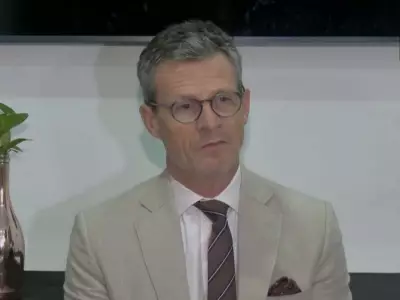
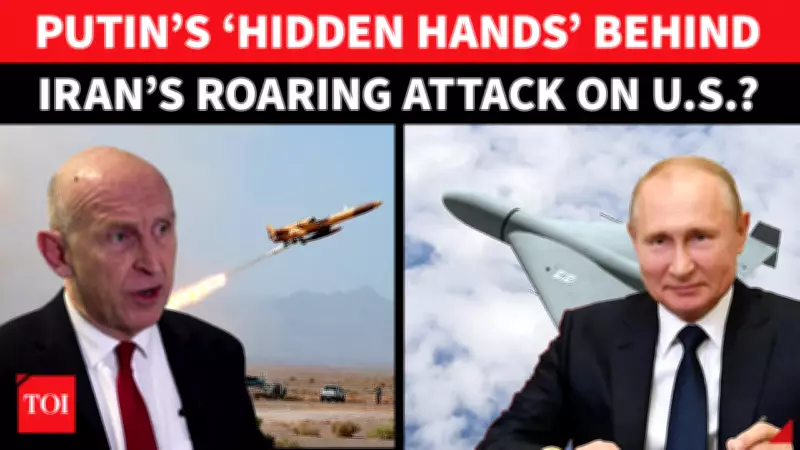
The United Kingdom has delivered a shocking revelation that could reshape understanding of the ongoing Middle East conflict. UK Defence Secretary John Healey has publicly alleged that Russia might be providing assistance to Iran in its drone warfare campaign against Western military bases and positions across the region.
Evidence Gathering Underway at RAF Akrotiri
British authorities are currently conducting detailed forensic analysis on a drone that successfully struck a hangar at the Royal Air Force base in Akrotiri. The investigation specifically focuses on identifying any Russian-made components or evidence of foreign technical involvement in the weapon system.
"We are examining every aspect of this drone attack," Healey stated during his briefing. "Our technical teams are looking for signatures that might point to Russian manufacturing or modification of these Iranian drones."

The 'Hidden Hand' Allegation
In his most provocative statement, Healey warned that Russian President Vladimir Putin could have what he described as a "hidden hand" in some of Iran's military tactics and technological capabilities. This allegation points directly to the deepening military cooperation that has developed between Moscow and Tehran in recent years.
The UK defence secretary elaborated: "We're seeing patterns that suggest more than just conventional arms sales. There appears to be technical collaboration, intelligence sharing, and possibly even joint development of asymmetric warfare capabilities."
Growing Military Cooperation Between Moscow and Tehran
Military analysts have noted several concerning developments in Russia-Iran relations:
- Increased frequency of high-level military exchanges between Russian and Iranian defense officials
- Documented transfers of advanced drone technology from Iran to Russia for use in Ukraine
- Expanding joint military exercises in the Caspian Sea region
- Shared intelligence operations targeting Western interests in the Middle East
This evolving partnership represents a significant strategic challenge for NATO forces operating in the region. The alleged technical assistance could explain Iran's recent improvements in drone accuracy, payload capacity, and electronic warfare capabilities.
Regional Implications and Western Response
The allegation comes at a critical moment in the Middle East conflict, where drone warfare has become a central component of Iranian military strategy. Western bases across Iraq, Syria, and Jordan have faced increasing drone threats in recent months.
NATO officials are reportedly discussing potential responses should the UK's investigation confirm Russian involvement. Options under consideration include:
- Enhanced sanctions targeting the specific Russian entities involved in drone technology transfers
- Increased intelligence sharing among NATO members regarding Russia-Iran military cooperation
- Additional defensive systems deployment to protect Western bases from advanced drone threats
- Diplomatic pressure on countries that might be facilitating technology transfers between Moscow and Tehran
The UK's decision to publicly voice these suspicions represents a significant escalation in Western rhetoric regarding Russia's Middle East activities. Previously, such concerns were typically discussed in classified settings or through diplomatic back channels.
As the forensic analysis continues at RAF Akrotiri, the international community awaits concrete evidence that could either substantiate or refute these serious allegations about Russia's role in Iran's drone warfare capabilities.