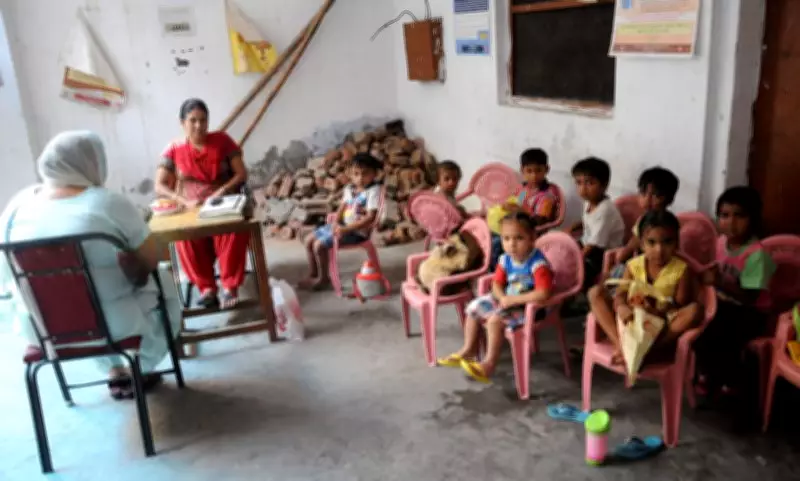
The Punjab government is facing a fresh controversy over the quality of food supplied to anganwadi centres across the state. Markfed, the state-owned marketing federation, has decided to withdraw from the supply of nutritious meals following allegations of substandard quality. This move has raised concerns about the nutritional intake of children and pregnant women who depend on these centres.
Markfed's Decision to Back Out
Markfed, which has been a key supplier of food items such as wheat, rice, and pulses to anganwadis, announced its decision to step back amid growing criticism over the quality of provisions. Sources revealed that the federation cited logistical challenges and the need to maintain its reputation as reasons for the withdrawal. The decision comes after several complaints from local authorities and beneficiaries about the poor quality of grains and other essentials.
Allegations of Substandard Food
Reports from various districts highlighted instances of infested wheat and low-grade rice being supplied to anganwadis. In some cases, the food was found to be unfit for consumption, leading to protests by women and children. The opposition has accused the government of negligence, demanding a thorough investigation into the supply chain. The issue has become a political flashpoint, with both the ruling and opposition parties trading barbs.

Government's Response
In response to the crisis, the Punjab government has assured that alternative arrangements will be made to ensure uninterrupted supply of quality food. Officials stated that the Food and Civil Supplies Department will take over the procurement and distribution process temporarily. A senior official mentioned that strict quality checks would be implemented to prevent any recurrence of such incidents. The government also plans to involve local self-help groups and women's organisations to oversee the distribution.
Impact on Beneficiaries
Anganwadi centres play a crucial role in providing nutrition to children under six years of age, pregnant women, and lactating mothers. Any disruption in the supply chain could adversely affect the health of these vulnerable groups. Nutritionists have warned that poor-quality food can lead to malnutrition and other health issues. The government's swift action is essential to maintain trust in the public distribution system.
Way Forward
To address the concerns, the state government has announced a multi-pronged strategy. This includes regular audits of food quality, enhanced training for anganwadi workers, and a grievance redressal mechanism for beneficiaries. Additionally, the government is exploring partnerships with other state agencies and private suppliers to diversify the sourcing of food items. The aim is to ensure that the nutritional needs of the most vulnerable are met without compromise.
The Markfed controversy has underscored the challenges in maintaining quality standards in large-scale public nutrition programmes. As Punjab works to resolve the issue, the focus remains on safeguarding the health and well-being of its citizens, especially those who rely on these essential services.