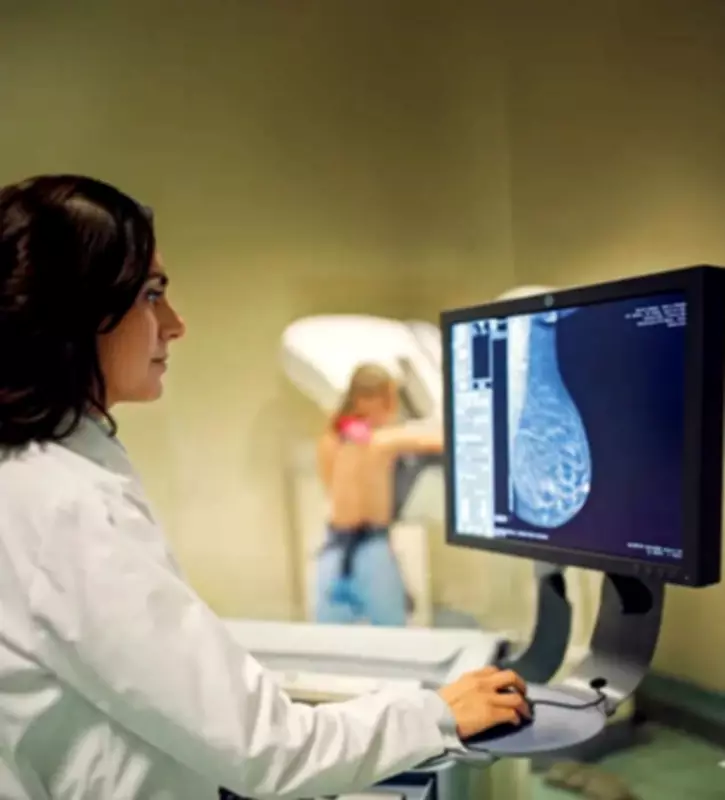
A routine mammogram is primarily known for its role in detecting breast cancer, but emerging evidence suggests it can also serve as a valuable window into heart health. The presence of breast arterial calcifications (BAC) on a mammogram has been linked to an increased risk of cardiovascular disease, particularly in postmenopausal women.
What Are Breast Arterial Calcifications?
Breast arterial calcifications are calcium deposits that form in the walls of arteries within the breast tissue. Unlike the more common benign calcifications associated with ducts or lobules, BAC is directly related to the vascular system. When detected on a mammogram, these calcifications may indicate underlying atherosclerosis or arterial stiffness, which are key contributors to heart disease.
The Link Between BAC and Heart Disease
Research has consistently shown a correlation between BAC and coronary artery calcification, a direct marker of heart disease risk. A 2022 study published in the Journal of the American College of Cardiology found that women with BAC had a 51% higher risk of cardiovascular events, including heart attacks and strokes, compared to those without BAC. The association was strongest in women under 60, suggesting that mammograms could help identify high-risk individuals earlier.

Dr. Sangeeta Sharma, a cardiologist at the All India Institute of Medical Sciences, New Delhi, explains, "Breast arterial calcifications are not just incidental findings; they are indicators of systemic vascular disease. Women with BAC should be evaluated for traditional risk factors like hypertension, diabetes, and high cholesterol."
Why This Matters for Women's Health
Heart disease is the leading cause of death among women globally, yet it often goes undiagnosed until a major event occurs. Mammograms are already a routine part of women's healthcare, making them an opportunistic screening tool for heart disease without additional cost or radiation exposure. By paying attention to BAC, radiologists and primary care providers can alert women to potential cardiovascular risks and encourage preventive measures.
What Women Should Do
- Ask for your mammogram report: Request information about any calcifications found, especially if they are arterial.
- Discuss with your doctor: If BAC is present, talk to your primary care physician or cardiologist about your heart health.
- Manage risk factors: Adopt a heart-healthy lifestyle, including a balanced diet, regular exercise, and avoiding smoking.
- Consider additional screening: Your doctor may recommend a coronary artery calcium score CT scan for more detailed assessment.
Limitations and Future Directions
While the evidence is compelling, BAC is not yet a standard part of cardiovascular risk assessment. Not all mammograms are evaluated for BAC, and there is no universal reporting system. However, some healthcare systems are beginning to incorporate BAC into their screening protocols. The American College of Radiology now suggests that radiologists note BAC in mammogram reports when present.
In India, where heart disease is rising among younger women, integrating BAC awareness into mammography could have significant public health benefits. Dr. Sharma adds, "We need more awareness among radiologists and clinicians about the significance of BAC. It's a simple, no-cost addition to existing screening that can save lives."
As research continues, mammograms may become a dual-purpose tool—detecting both breast cancer and heart disease. For now, women are encouraged to be proactive: know your mammogram results, understand the implications of BAC, and take steps to protect your heart.