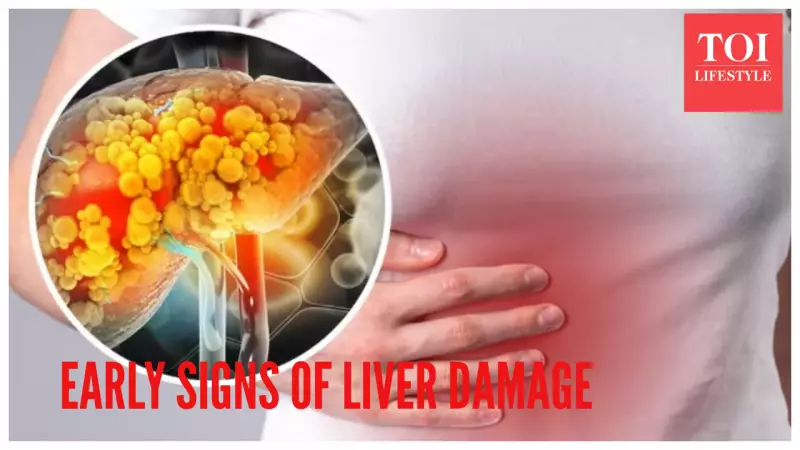
Liver damage often begins silently, with early warning signs that are frequently overlooked. When the liver becomes injured or diseased due to factors like viruses, excessive alcohol consumption, or toxins, it can lead to serious symptoms including jaundice, abdominal swelling, and fatigue. What many people don't realize is that some of the first visible indicators of liver trouble appear on our hands and feet.
Visible Warning Signs on Extremities
The liver plays a crucial role in filtering toxins, processing hormones, and maintaining proper blood flow. When its function becomes compromised, the effects often manifest in our extremities. Recognizing these early signs can be crucial for timely medical intervention and preventing further liver deterioration.
Red Palms: Palmar Erythema
One of the earliest visible signs of liver damage appears as unusually red palms, a condition medically known as palmar erythema. This occurs because the damaged liver cannot properly regulate blood vessel function and hormonal levels, causing blood vessels in the hands to expand abnormally. The result is a painless but noticeable redness that affects both palms equally.

Doctors frequently associate this symptom with liver diseases including cirrhosis and hepatitis. While palmar erythema doesn't cause physical discomfort, it serves as an important visual warning that should prompt medical evaluation.
Nail and Finger Changes: Clubbing
Liver damage can cause noticeable alterations in fingers and toes through a condition called clubbing. This condition causes fingers and toes to enlarge while nails take on an abnormal curved shape that points downward. Clubbing typically develops gradually and links to chronic liver disease and circulatory problems that reduce oxygen levels in the blood.
Additionally, people with liver disease may notice their nails developing a white or pale discoloration. When these nail changes appear alongside other symptoms like fatigue and jaundice, immediate medical consultation becomes essential.
Yellow Discoloration: Jaundice
Jaundice represents one of the most recognized indicators of liver trouble, causing skin and eye tissues to develop a yellow tint. This yellowing occurs because the damaged liver cannot properly break down bilirubin, a yellow substance formed from the breakdown of red blood cells.
As bilirubin builds up in the bloodstream, it deposits under the skin surface, creating the characteristic yellow discoloration. While jaundice typically appears first on the face, its presence on hands and feet indicates significant liver deterioration requiring urgent medical assessment.
Spider Veins: Spider Angiomas
Another telling sign of liver dysfunction appears as small red or purple blood vessel clusters that form web-like patterns just beneath the skin surface. Known as spider angiomas, these lesions develop because the damaged liver cannot properly process hormones, leading to blood vessel expansion that becomes visible through the skin.
People with liver disease often develop these spider veins on their hands and feet. While the lesions themselves don't cause discomfort, their presence strongly indicates improper liver function and commonly appears in patients with cirrhosis.
Swelling: Peripheral Edema
Fluid accumulation causing swelling in hands and feet, known medically as peripheral edema, serves as another early indicator of liver damage. This occurs because the liver produces albumin protein to maintain proper fluid balance in blood vessels. When liver function declines, insufficient albumin production leads to fluid leakage into surrounding tissues.
The lower body parts including feet and ankles typically show the most noticeable swelling, though hands can also be affected. This swelling indicates that liver function has deteriorated to a point where it disrupts normal fluid management in the body.

When to Seek Medical Help
Recognizing these early warning signs on your hands and feet can be crucial for catching liver problems before they progress. If you notice any combination of these symptoms—particularly red palms, yellow discoloration, or unexplained swelling—it's essential to consult a healthcare professional promptly for proper evaluation and diagnosis.
Early detection and intervention can significantly improve outcomes for liver conditions. While these visible signs provide important clues, they should always be evaluated in the context of other symptoms and proper medical testing.
Disclaimer: This article provides educational information only and is not a substitute for professional medical advice. Always consult healthcare providers for medical concerns.