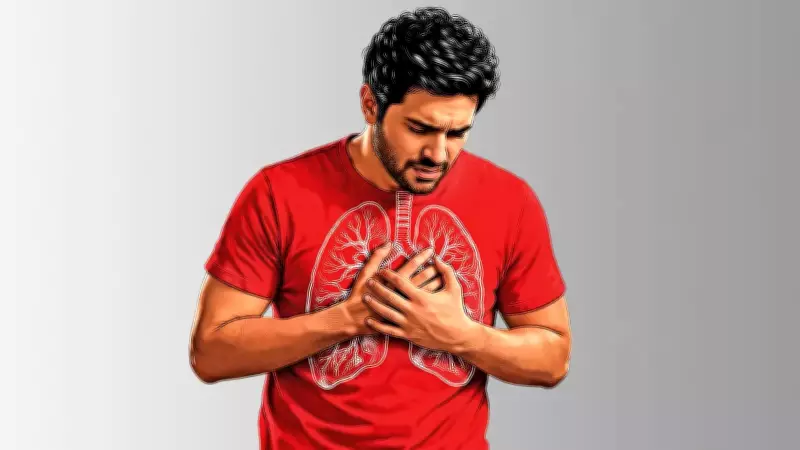
How a Blood Clot in the Leg Can Manifest as Sudden Chest Pain
Blood clotting is a vital bodily function that prevents excessive bleeding from minor injuries, such as cuts from shaving or kitchen accidents. However, when clots form inappropriately and block arteries in critical organs like the heart or lungs, the situation can rapidly escalate into a life-threatening emergency.
The Dangers of Pulmonary Embolism
Pulmonary embolism (PE) occurs when a blood clot, often originating in the deep veins of the legs—a condition known as deep vein thrombosis (DVT)—breaks loose and travels through the bloodstream to lodge in an artery of the lungs. This blockage can severely impair oxygen exchange, leading to symptoms like sudden chest pain, shortness of breath, and in severe cases, death.
A recent tragic example highlights this risk: In January 2026, acclaimed actor Catherine O'Hara, known for her roles in films such as 'Beetlejuice' and 'Home Alone', was hospitalized in Los Angeles due to breathing difficulties. She ultimately succumbed to pulmonary embolism, a condition where a clot from her legs migrated and obstructed a lung artery.

Recognizing the Symptoms and Risks
It is crucial to understand that leg clots may not always cause noticeable symptoms in the limbs themselves. Instead, they can silently travel and present as acute chest discomfort or respiratory issues. Key warning signs include:
- Unexplained chest pain that may worsen with deep breaths
- Sudden onset of shortness of breath or difficulty breathing
- Rapid heart rate or palpitations
- Coughing, sometimes with blood
- Leg swelling, pain, or redness, though this is not always present
Risk factors for developing such clots include prolonged immobility, surgery, certain medical conditions, and genetic predispositions. Awareness and prompt medical attention are essential, as pulmonary embolism requires immediate treatment to prevent fatal outcomes.
Prevention and Awareness
To mitigate risks, individuals should stay active, especially during long periods of sitting or bed rest, and seek medical advice if they experience any concerning symptoms. Early diagnosis through imaging tests like CT scans or ultrasounds can save lives by enabling timely intervention with anticoagulant medications or other therapies.
In summary, while blood clotting is beneficial for minor wounds, its aberrant formation in leg veins poses a severe health threat by potentially leading to pulmonary embolism. The case of Catherine O'Hara serves as a stark reminder of the importance of vigilance and education on this critical medical issue.