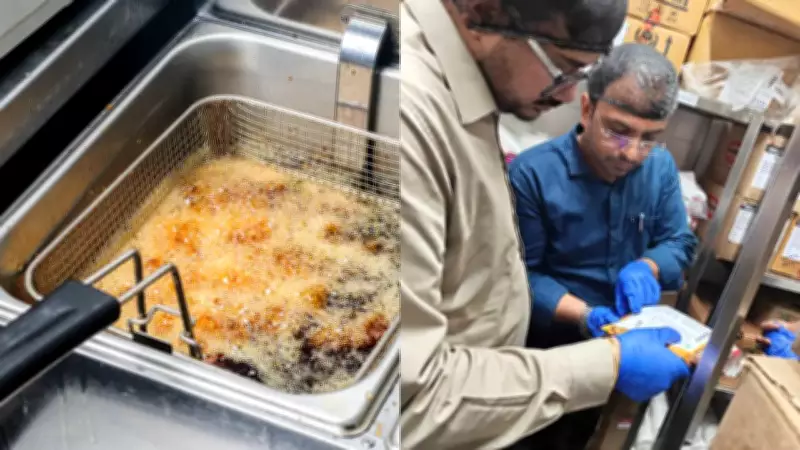
Cooking oil is a fundamental component of nutrition and food preparation, serving as a primary source of energy and essential fatty acids necessary for cell function, brain health, and hormone production. It also facilitates the absorption of fat-soluble vitamins such as A, D, E, and K. However, some market players compromise consumer health by reusing oil, increasing the risk of serious health issues. In a recent incident, a KFC outlet in Kondapur, Hyderabad was found using unsafe cooking oil.
Inspection Details
According to a post on X by the Zonal Commissioner of Serillingampally Zone-CMC, a team of officials conducted a random food safety inspection at KFC in Rajarajeshwari Colony, Kondapur, alongside the Food Safety Officer (FSO) team. The Total Polar Compounds (TPC) levels in the cooking oil exceeded permissible limits, and the oil showed dark discoloration. Action is being initiated under relevant rules as part of a broader initiative by Telangana food safety teams to monitor fast-food chains and restaurants for compliance with food safety regulations.
What is Total Polar Compounds (TPC)?
Total Polar Compounds (TPC) are widely recognized as a composite indicator of frying oil quality across global food systems. They form during frying, and beyond certain limits, they render the oil unfit for human consumption.

Permissible TPC Limit
According to the FSSAI website, edible oil should not contain more than 25% TPC. Oil with TPC exceeding 25% is considered unsafe for human consumption.
Health Hazards of Used Cooking Oil
The FSSAI states that TPC formation during frying, beyond certain limits, makes oil hazardous. Reports have linked these compounds to diseases such as hypertension, atherosclerosis, Alzheimer's disease, and liver disease.
Estimating TPC in Edible Oil
Total Polar Compounds can be measured in edible oils and fats using the established AOAC Official Method 982.27. Additionally, small handheld devices for rapid on-site testing are available in the market to check TPC levels during frying. These devices should be calibrated regularly and used only for indicative testing.
RUCO Initiative
Repurpose Used Cooking Oil (RUCO) is an FSSAI initiative that enables the conversion of used cooking oil into biodiesel, preventing its diversion back into the food chain. Food Business Operators (FBOs) can dispose of their used cooking oil by selling it to Collection Agencies or Aggregators authorized by Biodiesel Manufacturers. Contact details for these agencies are available on the FSSAI website or through biodiesel manufacturers listed there.
Conclusion
This incident highlights the importance of strict adherence to food safety standards. Consumers and food businesses must remain vigilant to ensure that cooking oil quality is maintained, safeguarding public health.