

India's First-Ever Disaster Victim Identification Guidelines Released, Emphasizing Forensic Odontology
India has unveiled its inaugural guidelines and standard operating procedures for Disaster Victim Identification (DVI), a critical framework developed by the National Disaster Management Authority (NDMA). These comprehensive guidelines, released in late January 2026, are designed to ensure the systematic recognition, registration, and dignified handover of human remains to families following mass fatality incidents.
Learning from Tragedy: The Ahmedabad Plane Crash
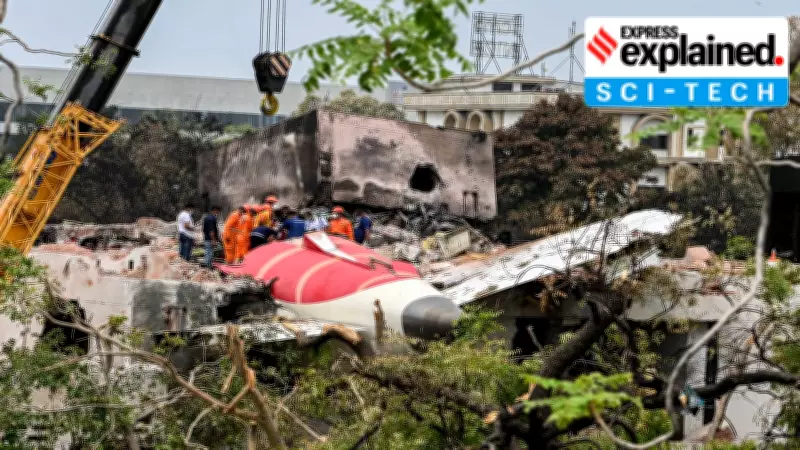
The formulation of these guidelines was significantly influenced by the tragic Air India Boeing 787-8 Dreamliner crash in Ahmedabad on June 14, 2025. During that disaster, 260 bodies were so severely charred and commingled that conventional identification methods proved ineffective. This experience highlighted the urgent need for standardized procedures and advanced forensic techniques in victim identification.
Nawal Prakash, Joint Advisor to the NDMA, explained the motivation behind creating these guidelines: "Many disaster victims remain unidentified or are difficult to identify. We wanted to bring together various forensic branches to see how they can assist during such challenging times."

The Four-Stage DVI Process
The document outlines a structured four-stage approach to Disaster Victim Identification:
- Systematic Recovery: Careful recovery of human remains from disaster sites with proper documentation and preservation measures.
- Post-Mortem Data Collection: Collection of forensic data from remains through medico-legal examination and detailed forensic documentation.
- Ante-Mortem Data Collection: Gathering personal, medical, dental, and other relevant records from families and authorities for comparison purposes.
- Data Reconciliation: Analysis, confirmation, certification, and eventual release of remains to grieving families after thorough data matching.
Teeth as Primary Identifiers: The Need for a National Dental Registry
Drawing from Interpol's 2023 DVI guidelines, which identify fingerprints, odontology (dental examination), and DNA profiling as the three primary scientific identifiers, the Indian document places particular emphasis on forensic odontology. The guidelines specifically recommend establishing a "National Dental Data Registry" to facilitate comparison between ante-mortem and post-mortem dental records.
Dr. Jayasankar Pillai, a member of the Drafting Committee and secretary of the Indian Association of Forensic Odontology, emphasized the importance of dental records: "Everyone should have a selfie photograph with their front teeth clearly visible as it would help identification in the event of a disaster. Dental records are reliable and play a very important role in DVI."
Digital Biometrics and Innovative Forensic Methods
The guidelines also explore innovative identification methods. Professor (Dr) G Rajesh Babu, Dean of the School of Medico-Legal Studies at the National Forensic Sciences University and a Drafting Committee member, highlighted the potential of digital biometrics: "Using phones found at disaster sites, we can obtain digital biometrics of victims, which can help in identifying remains since people usually carry digital data of identifying documents and photos on their phones today."
Beyond traditional methods, the document incorporates forensic archaeology as a valuable tool. This inclusion stems from an ongoing project in Northeast India where NFSU is exhuming and identifying bodies of Allied forces personnel from World War II. The guidelines note that forensic archaeology applies systematic excavation principles to recover human remains and evidence from soil environments, proving particularly valuable in mass fatalities involving landslides or building collapses.
Addressing Systemic Challenges and Vulnerabilities
The guidelines candidly address numerous vulnerabilities in India's current DVI process:

- Lack of an operational DVI incident commander to coordinate various agencies at disaster sites
- Shortage of trained forensic experts, anthropologists, and specialists
- Overburdened forensic science laboratories focused primarily on legal cases
- Inconsistent tagging, mapping, and chain of custody practices leading to misidentification risks
- Complex procedures for declaring death or presumption of death
- Lack of multidisciplinary approaches causing delays in compensation and legal closure for families
The document also recognizes climate change as a significant "risk multiplier" that exacerbates identification challenges, particularly in scenarios involving rapid decomposition in humid conditions, displacement of bodies during floods, or difficult terrain in high-altitude or forested areas.
Transport-related or industrial disasters present additional complications through burning, poly trauma (severe injuries to multiple body parts), remains spread across large debris fields, and potential exposure to hazardous chemicals, biological contamination, or radiation.
By establishing these comprehensive guidelines, India aims to create a more humane, efficient, and scientifically robust system for identifying disaster victims, providing closure to families while respecting the dignity of the deceased.





