

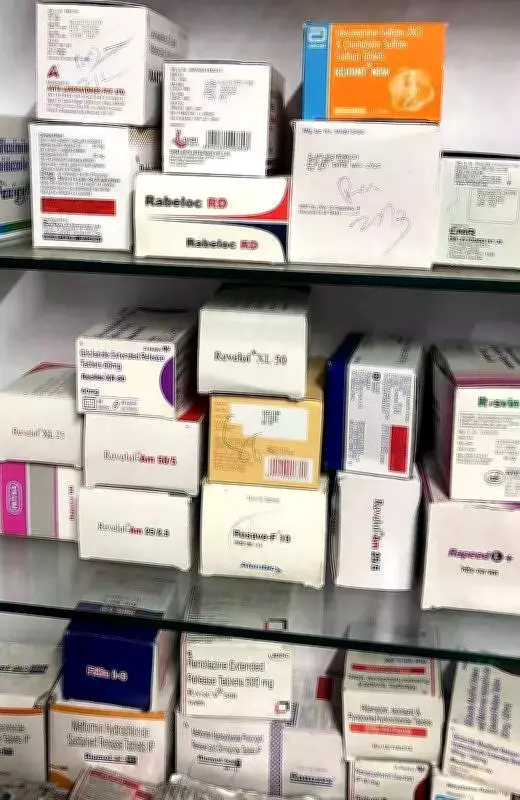
Karnataka Health Department Proposes Innovative QR Code Solution for Medicine Accessibility
The Karnataka health department is taking a significant step toward inclusive healthcare by preparing to submit a proposal to the central government. This initiative aims to introduce indented QR codes on the back of medicine strips and boxes, designed specifically to provide essential drug information through smartphones for visually impaired individuals.
Minister's Commitment to Equitable Healthcare Solutions
Health Minister Dinesh Gundu Rao recently emphasized the government's dedication to innovative healthcare solutions during an interaction with representatives of a Japanese company in Mysuru. "Our government is committed to equitable healthcare and innovative solutions. To support independent living of persons with visual disabilities, we are focusing on introducing QR codes on medicine strips to provide essential drug information through smartphones," Rao stated.
Data-Driven Decision Making Through IMPACT-VIP Project
The decision to propose these specialized QR codes stems from comprehensive data collected under the Initiative for Medication Practices and Accessibility through QR Code Technology for the Visually Impaired Persons (IMPACT-VIP) project. This initiative, supported by the Japan International Cooperation Agency (JICA), gathered insights from 500 visually impaired persons across four southern states:

- Karnataka
- Kerala
- Andhra Pradesh
- Telangana
How the Indented QR Code System Will Function
The proposed QR codes will feature physical indentations that allow visually impaired users to locate them through touch. Smartphones will provide audio guidance on how to scan these codes effectively. Minister Rao personally tested the system with visually impaired individuals and found that "it is easy for them to scan these QR codes, as most are proficient smartphone users."
The QR codes will provide comprehensive medication information including:
- Dosage instructions
- Manufacturing date
- Expiry date
- Drug composition details
"Our intention is that even if visually impaired people are alone while buying medicines, they can still get all the necessary information with these codes," the minister explained to media sources.
Broader Benefits Beyond Visual Impairment
While primarily designed for visually impaired individuals, this initiative promises to benefit multiple population segments:
- Elderly citizens facing vision challenges
- Individuals with language or literacy barriers
- Visually impaired pharmacists
- Parents with vision impairment administering medication to children
Standardization and National Implementation Plans
Since the proposal requires standardization across pharmaceutical packaging, the Karnataka health department will submit it to the central government for potential national implementation. "As it has to undergo a standardization process, we will send a proposal to the central government to implement it at the national level," Minister Rao confirmed.
Positive Reception from Disability Rights Organizations
The proposal has already received enthusiastic support from disability rights advocates. Moses Chowdari, COO of EnAble India, highlighted several advantages of the QR code system:
- Predictable placement on packaging enables easy scanning
- Access to critical information like expiry dates that are otherwise difficult to read
- Digital magnification and screen reading capabilities for partial vision users
- Enhanced safety for visually impaired parents administering medication to children
"QR codes on medicine strips can be very beneficial for visually impaired individuals. If the code is placed in a predictable and standard location on the packaging, it can be easily scanned to access key information," Chowdari emphasized, noting that this represents a significant improvement over traditional small printed text that creates accessibility barriers.

As the proposal awaits consideration by central authorities, it represents a promising step toward creating more inclusive healthcare systems that leverage technology to bridge accessibility gaps for visually impaired and other vulnerable populations across India.





