

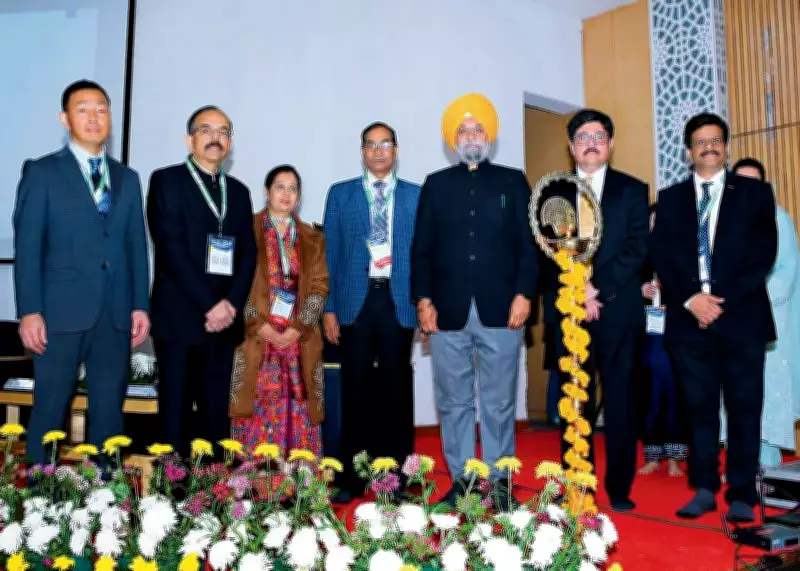
ICAR Scientists Highlight Sustainable Farming and Nutrition at GNDU Conclave in Amritsar
In a significant event aimed at addressing agricultural and health challenges, scientists from the Indian Council of Agricultural Research's Sustainable Agriculture, Food, Health, and Livelihoods (SAFHAL) division participated in a conclave at Guru Nanak Dev University (GNDU) in Amritsar. The conclave focused on promoting sustainable farming practices, improving nutrition, and enhancing public health through innovative agricultural methods.
Key Discussions on Sustainable Agriculture
The scientists emphasized the importance of adopting climate-resilient farming techniques to combat environmental issues such as soil degradation and water scarcity. They discussed various strategies, including:
- Implementing organic farming to reduce chemical use and improve soil health.
- Promoting crop diversification to enhance biodiversity and farmer income.
- Utilizing water-efficient irrigation systems to conserve resources.
These approaches are designed to ensure long-term agricultural sustainability while supporting the livelihoods of farmers in the region.

Nutrition and Health Initiatives
A major highlight of the conclave was the link between sustainable agriculture and nutrition. The scientists outlined how nutrient-rich crops, grown through eco-friendly methods, can combat malnutrition and boost public health. They recommended:
- Increasing the cultivation of millets and pulses for their high nutritional value.
- Educating communities on balanced diets derived from locally grown produce.
- Integrating health awareness programs with agricultural extension services.
This holistic approach aims to address food security and wellness issues in Punjab and beyond.
Collaboration and Future Prospects
The conclave served as a platform for collaboration between ICAR scientists, GNDU researchers, and local stakeholders. Discussions included plans for joint research projects and community outreach programs to disseminate sustainable practices. The event underscored the role of academic institutions in driving agricultural innovation and public health improvements.
By fostering such dialogues, the conclave aims to inspire actionable solutions for a healthier and more sustainable future in Indian agriculture.






