NEW DELHI: In a stark reminder of the growing burden of inherited heart diseases in India and the urgent need for early screening and genetic testing, a 27-year-old man from the National Capital Region recently underwent a heart transplant. This procedure took place 11 years after his elder brother had been diagnosed with the same condition and required a similar transplant.
Brothers Battle Dilated Cardiomyopathy
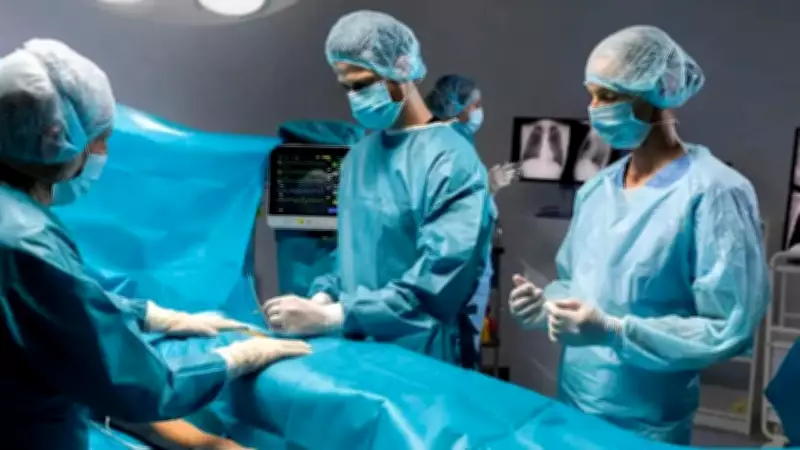
The two brothers developed advanced dilated cardiomyopathy, a severe heart muscle disease that often goes undetected until it reaches a dangerous stage. Both are now recovering well following the transplants, which were performed by the same surgical team led by Dr. Z S Meharwal, chairman and head of adult cardiac surgery and heart transplant at Fortis Escort Heart Institute.
Elder Brother's Journey
Dr. Meharwal told TOI that the elder brother, now a competitive runner, first developed symptoms of the ailment when he was just 16 years old. What began as fatigue and breathlessness gradually worsened into swelling in the legs and repeated episodes of heart failure. Doctors diagnosed him with dilated cardiomyopathy, a condition in which the heart enlarges and weakens, reducing its ability to pump blood effectively. Despite medical treatment, his condition deteriorated, and he had to undergo a heart transplant in 2015.

Younger Brother's Diagnosis
The family believed the ordeal was over after the elder brother's successful transplant. However, over a decade later, the younger brother began displaying similar symptoms. Medical tests confirmed end-stage dilated cardiomyopathy, leaving transplantation as the only viable option. The donor heart came from a 37-year-old man from Rohtak who had suffered an intracranial hemorrhage. Haryana and Delhi Police coordinated to create a green corridor, transporting the organ nearly 150 kilometers in approximately 80 minutes.
This case underscores the importance of genetic testing and early screening for families with a history of heart disease. Dilated cardiomyopathy can be inherited, and early detection can significantly improve outcomes. The successful transplants highlight the advancements in cardiac care in India, but also the need for greater awareness and preventive measures.