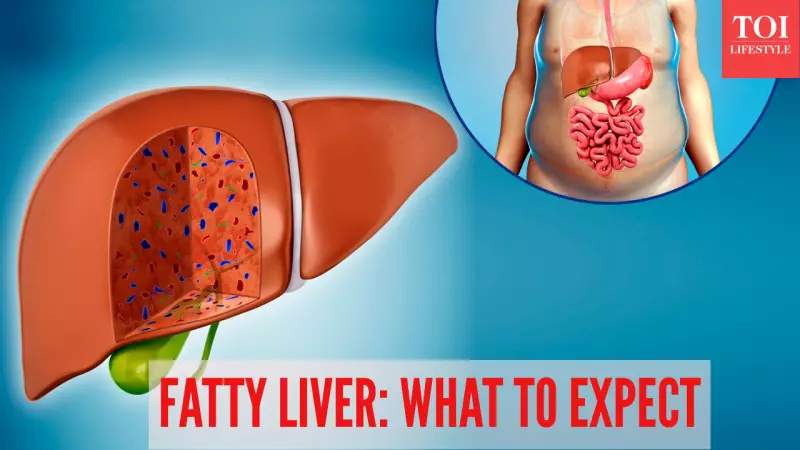
Fatty liver disease is rapidly emerging as a significant global health concern, impacting millions of individuals worldwide. The core issue stems from an excessive accumulation of fat within the liver cells. If this condition remains undetected and unmanaged over a prolonged period, it can lead to severe and permanent liver damage. Gaining a clear understanding of the distinct stages of fatty liver disease is paramount for identifying early warning signs and, in the initial phases, potentially reversing the harm done. We delve into the progression from simple fat buildup to irreversible scarring, highlighting why each stage demands serious attention.
The Four Progressive Stages of Fatty Liver
According to the National Institute of Health, the progression of fatty liver disease is systematically categorized into four key types. These are defined as Stage 1, which involves fatty liver alone or macrovesicular steatosis; Stage 2, characterized by fat accumulation combined with lobar inflammation; Stage 3, where fat buildup is accompanied by ballooning degeneration of liver cells; and the final, most severe Stage 4, which includes fat accumulation, ballooning degeneration, and the presence of either Mallory hyaline or fibrosis, marking the beginning of significant scarring.
A Detailed Look at Each Stage
Stage 1: Mild Fatty Liver (Steatosis)
The journey of fatty liver disease begins with steatosis. In this initial phase, fat builds up inside the liver cells, but there is no substantial inflammation or damage to the organ. The majority of people with mild fatty liver do not experience any noticeable symptoms. The condition is often discovered incidentally during routine medical check-ups or imaging tests for other issues. At this point, liver function typically remains normal, and the situation is considered fully reversible.

Medical management at this stage strongly emphasizes a healthy lifestyle. This includes adopting a proper diet rich in fruits, vegetables, and whole grains, engaging in regular physical exercise, and completely avoiding excessive alcohol consumption. Crucially, even a modest weight loss of 5-10% of total body weight can make a dramatic difference by significantly reducing liver fat and halting the disease's progression.
Stage 2: Non-alcoholic Steatohepatitis (NASH)
If the initial stage is left untreated, the condition can advance to Non-alcoholic Steatohepatitis (NASH). This second stage is more serious because, in addition to fat accumulation, the liver develops inflammation, which directly injures the liver cells. Some individuals may start to experience vague symptoms such as persistent tiredness, discomfort in the upper right area of the abdomen, or show mild elevations in liver enzymes during blood tests.
Since this inflammation causes direct harm to liver cells, NASH carries a higher risk of progressing to fibrosis. While this stage is still potentially reversible with aggressive lifestyle modifications, it requires closer medical supervision. Doctors may prescribe medications aimed at reducing liver inflammation to prevent further damage.
Stage 3: Liver Fibrosis
Fibrosis represents the third stage of fatty liver disease, where prolonged inflammation and injury trigger the formation of scar tissue within the liver. This scarring gradually begins to alter the liver's normal architecture. Despite these changes, the liver can often still function reasonably well at this point, but it is a critical juncture that demands immediate medical consultation.
A challenging aspect of liver fibrosis is that many people do not feel any different, even as the damage spreads. Because symptoms are frequently absent, doctors often recommend a liver biopsy for a definitive diagnosis. These tests are vital for catching the disease before it escalates to a more severe and irreversible state.
Stage 4: Liver Cirrhosis
Cirrhosis is the most advanced and dangerous stage of fatty liver disease. At this terminal phase, the liver is severely scarred. This permanent scarring drastically changes the liver's structure and severely impairs its ability to function. The organ loses its capacity to detoxify the body and manage metabolism effectively.

Clear and severe symptoms begin to manifest, including Jaundice, which is the yellowing of the skin and eyes; Abdominal swelling (ascites) due to fluid buildup; a tendency for extreme bruising and bleeding; and mental confusion or difficulty concentrating. If not managed promptly, cirrhosis can lead to life-threatening complications such as complete liver failure or liver cancer. Regrettably, the damage from cirrhosis is irreversible. Treatment focuses on slowing the disease's progression and managing complications.
The Critical Importance of Early Detection
Fatty liver disease is often called a 'silent' condition because it rarely shows obvious symptoms, especially in its early stages. This makes regular health check-ups absolutely essential. This is particularly true for individuals at higher risk, such as those who are overweight, have type 2 diabetes, suffer from high cholesterol, or maintain an unhealthy diet. Doctors typically recommend simple diagnostic tools like ultrasound scans and regular monitoring of liver enzyme levels through blood tests.
It is imperative to understand that, regardless of the stage, the most straightforward and effective way to manage fatty liver disease is through consistent lifestyle changes. Eating a balanced, nutritious diet and committing to regular exercise are the cornerstone strategies for keeping this condition at bay and protecting long-term liver health.