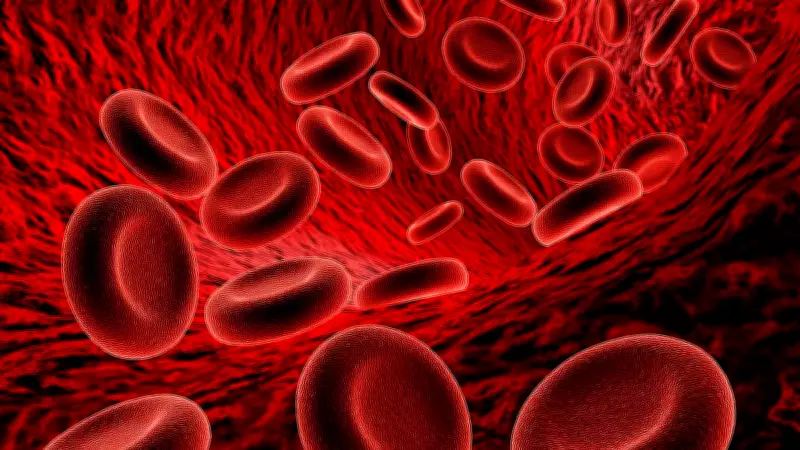
Medical Experts Issue Warning: Excess Free Radicals in Bloodstream Are Not Harmless
Recent insights from health professionals have highlighted a critical concern regarding the presence of free radicals in the human body. Contrary to some misconceptions, an overabundance of these unstable molecules in the blood is far from harmless. Experts emphasize that free radicals do not remain idle; instead, they aggressively target and compromise healthy cells, leading to significant cellular damage.
The Mechanism of Cellular Damage Explained
Free radicals are highly reactive atoms or molecules that possess unpaired electrons, making them unstable. In their quest for stability, they do not hesitate to steal electrons from the healthy cells within the body. This process, known as oxidative stress, results in the deterioration of cellular structures and functions. The consequences of this cellular damage are profound, contributing to a cascade of health issues over time.
Health Implications and Associated Risks
The cellular damage inflicted by free radicals is a primary driver of chronic inflammation, which serves as a foundational element for numerous serious health conditions. Notably, this inflammation is closely linked to the development and progression of heart disease and diabetes. By undermining the integrity of cells, free radicals can accelerate the onset of these diseases, making their management more challenging.

- Free radicals actively engage in electron theft from healthy cells, causing oxidative stress.
- This oxidative stress leads to cellular damage, which is a direct contributor to systemic inflammation.
- Chronic inflammation, in turn, elevates the risk for conditions such as heart disease and diabetes.
Strategies for Mitigation and Prevention
To counteract the harmful effects of free radicals, experts strongly advocate for the incorporation of antioxidants into one's diet. Antioxidants are compounds that neutralize free radicals by donating electrons without becoming unstable themselves. Consuming foods rich in antioxidants is an effective strategy to reduce oxidative stress and protect cellular health.
Recommended Sources of Antioxidants:- Berries, such as blueberries and strawberries, which are packed with vitamins and phytochemicals.
- Leafy green vegetables like spinach and kale, known for their high antioxidant content.
- Nuts and seeds, including almonds and walnuts, which provide essential nutrients.
- Dark chocolate, in moderation, offers flavonoids that combat oxidative damage.
In summary, the message from medical experts is clear: an excess of free radicals in the blood poses a serious threat to cellular integrity and overall health. By understanding their role in causing damage and adopting preventive measures, such as increasing antioxidant intake, individuals can better safeguard their well-being against inflammation-related diseases.