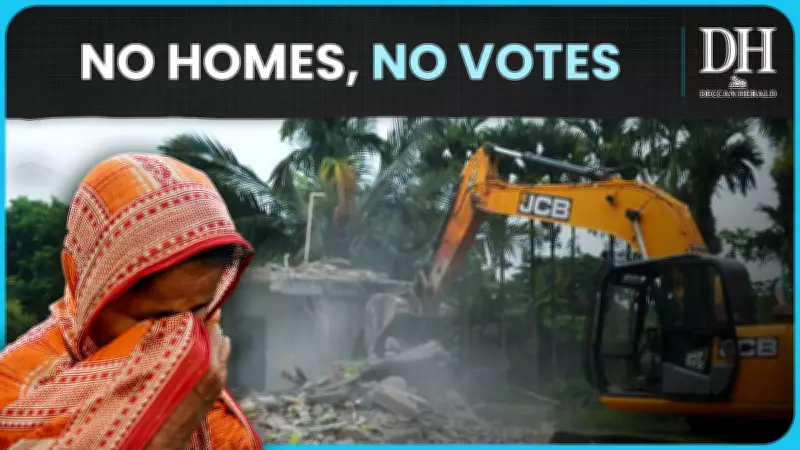
Assam's Displaced Population Confronts a Dual Tragedy Ahead of 2026 Elections
In a stark revelation that underscores a deepening humanitarian and democratic crisis, thousands of citizens in Assam find themselves stripped of not only their homes but also their fundamental right to vote. As the state gears up for the crucial Assam Assembly elections in 2026, these displaced individuals, victims of long-standing ethnic conflicts and natural disasters, are being systematically excluded from the electoral process, raising urgent questions about governance and inclusion.
The Plight of the Disenfranchised
The issue centers on communities uprooted from their ancestral lands due to violent clashes, such as those between indigenous groups and migrant populations, as well as devastating floods that have ravaged the region. Many of these displaced persons now reside in makeshift camps or temporary shelters, often without proper documentation or fixed addresses. Electoral authorities have cited the lack of permanent residency proof as a primary reason for denying them voter registration, effectively silencing their voices in the upcoming polls.
This exclusion is not merely a bureaucratic hurdle; it represents a profound erosion of democratic principles. Without the ability to vote, these citizens are left without a political avenue to advocate for their resettlement, compensation, or basic rights, perpetuating a cycle of marginalization. Activists and human rights organizations have condemned the situation, arguing that it violates constitutional guarantees of equality and participation.

Historical Context and Ongoing Struggles
Assam has a complex history of displacement, driven by factors like the National Register of Citizens (NRC) process, which aimed to identify illegal immigrants but left many legitimate residents in legal limbo. Additionally, ethnic tensions, particularly in areas like Bodoland, have forced families to flee their homes, creating a patchwork of internally displaced persons (IDPs). The state's vulnerability to climate change-induced floods further exacerbates the problem, with recurrent disasters displacing thousands annually.
In the lead-up to the 2026 elections, political parties are being called upon to address this crisis. However, responses have been tepid, with most campaigns focusing on broader issues like development and security, while neglecting the specific needs of the displaced. This oversight threatens to alienate a significant segment of the population, potentially impacting electoral outcomes and social stability.
Implications for Democracy and Future Action
The denial of voting rights to displaced citizens in Assam sets a dangerous precedent for democratic integrity in India. It highlights systemic failures in voter registration mechanisms, which often fail to accommodate nomadic or transient populations. Experts suggest that solutions could include:
- Implementing mobile voter registration drives in camps and temporary settlements.
- Accepting alternative forms of identification, such as affidavits or community certifications.
- Enhancing coordination between disaster management agencies and electoral bodies to preemptively register affected individuals.
As the 2026 Assam Assembly elections approach, the plight of these disenfranchised voters serves as a critical reminder of the need for inclusive electoral policies. Without swift intervention, the state risks deepening social divides and undermining the very foundation of its democratic framework. The world watches as Assam grapples with this dual crisis of displacement and disenfranchisement, a test of its commitment to justice and equality for all.