

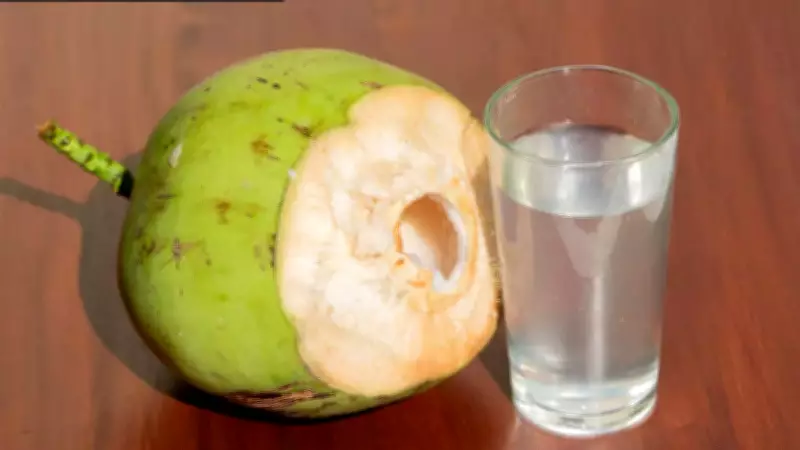
The Coconut: Nature's Masterpiece of Survival Engineering
A coconut might appear as just another tropical fruit hanging from palm trees, but it represents one of nature's most brilliantly engineered survival systems. This remarkable natural packaging contains multiple layers of protection and nourishment designed specifically to support new life.
The Protective Architecture of a Coconut
Each coconut develops on the coconut palm with a sophisticated multi-layered structure that serves distinct protective functions:
- Outer Husk: The thick, fibrous exterior layer provides cushioning against impacts when coconuts fall from significant heights, sometimes reaching 80 feet or more. This same buoyant fibrous material enables coconuts to float across oceans for months, potentially traveling thousands of miles to colonize new shores.
- Hard Shell: Beneath the husk lies the familiar brown shell, a rigid protective barrier that shields the precious contents from physical damage, pests, and environmental elements.
- Internal Water Reservoir: Inside this protective casing resides the clear, refreshing coconut water that serves as the life-support system for the developing seed.
The Science Behind Coconut Water Formation
Coconut water doesn't appear by accident or get added later—it forms naturally through sophisticated biological processes as the fruit develops. This liquid represents the seed's primary food supply in plant terms, containing essential nutrients for germination and early growth.

The process begins with osmosis, the natural movement of water through membranes from areas of greater concentration to areas of lower concentration. Here's how this remarkable system works:
- The coconut palm's roots absorb water from the soil, drawing it upward through the tree's vascular system.
- As this water reaches the developing fruit, sugars, minerals, and other nutrients accumulate inside young coconuts.
- This creates a concentration gradient between the coconut's inner tissues and exterior environment, driving water movement through osmosis.
- The transported water transforms into what we recognize as coconut water—a sterile, nutrient-rich liquid sealed within the protective shell.
The Life Cycle of Coconut Water
In young coconuts, the water-to-flesh ratio remains high, with relatively little solid material present. As the coconut matures, a fascinating transformation occurs:
Some of the coconut water gradually converts into the white, edible flesh (called copra) that lines the inner shell. This flesh serves as additional nourishment for the developing seed. Remarkably, even in fully mature coconuts, residual water typically remains inside to support germination should the seed begin to sprout.
Why Coconut Water Stays Pure and Refreshing
The coconut's hermetic seal created by its hard shell maintains the water's sterility until opened. This natural packaging keeps the liquid free from contaminants, making it safe for consumption. The water's natural sugars, electrolytes, and minerals—originally evolved to nourish a young coconut plant—coincidentally provide excellent hydration and refreshment for humans as well.
In essence, coconut water exists primarily as a life-support system for future coconut trees, with humans benefiting from this evolutionary design as a fortunate side effect. This dual-purpose functionality makes the coconut one of nature's most efficient and remarkable creations—a complete survival package that has sustained both plant life and human communities across tropical regions for centuries.






