

Budget 2026-27 Proposes Major Healthcare Transformation with Medical Hubs and Biopharma Boost
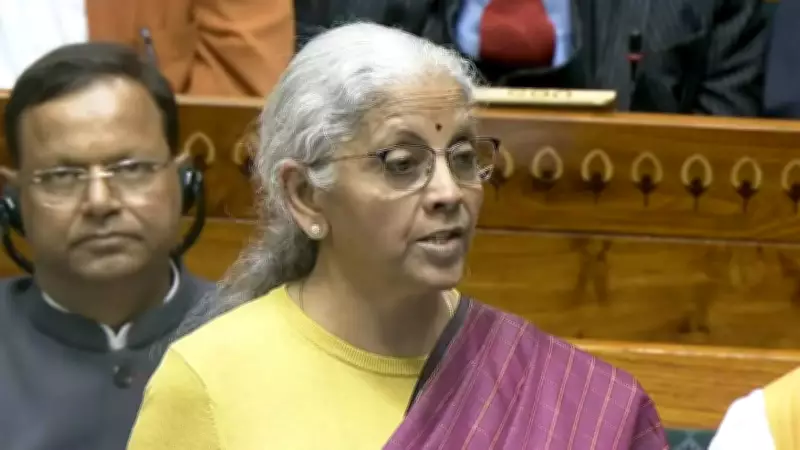
Finance Minister Nirmala Sitharaman on Sunday unveiled a comprehensive suite of health initiatives in the Union Budget for 2026-27, aiming to position India as a global leader in medical tourism, biopharmaceuticals, and traditional medicine. Presenting the budget in Parliament, she outlined three key pillars: regional medical hubs, a massive biopharma investment, and a strengthened Ayurveda ecosystem.
Five Regional Medical Hubs to Boost Medical Tourism
Sitharaman announced a scheme to support states in establishing five regional medical hubs across the country. "I propose to launch a scheme to support states in establishing five regional medical hubs," she stated. These integrated healthcare complexes will combine:
- Medical, educational, and research facilities
- Ayush centres and medical value tourism facilitation centres
- Infrastructure for diagnostics, post-care, and rehabilitation
The hubs are expected to create diverse job opportunities for doctors and allied health professionals, significantly strengthening India's competitive edge in the global medical tourism market.

Rs 10,000 Crore Biopharma Shakti Programme Over Five Years
In a major push for domestic pharmaceutical innovation, the Finance Minister detailed the Biopharma Shakti initiative with an outlay of Rs 10,000 crore over the next five years. "This will build the ecosystem for domestic production of biologics and biosimilars," she explained.
The strategy includes:
- Establishing a biopharma-focused network with three new National Institutes of Pharmaceutical Education and Research (NIPERs)
- Upgrading seven existing NIPERs to enhance research capabilities
- Creating a network of 1,000 accredited Indian clinical trial sites
Additionally, Sitharaman proposed strengthening the Central Drug Standard Control Organisation (CDSCO) to meet global standards through a dedicated scientific review cadre and specialist appointments, aiming to streamline approval timeframes.
Major Ayurveda Push to Capitalize on Post-COVID Global Surge
Recognizing the growing international acceptance of Ayurveda post-COVID, the budget includes targeted measures to boost exports, support herb-growing farmers, and create youth employment in processing. "Post-COVID, Ayurveda gained similar global acceptance," Sitharaman told Parliament.
The Ayurveda initiatives comprise:
- Setting up three new All India Institutes of Ayurveda
- Upgrading Ayush pharmacies and drug testing labs to achieve top-tier certification standards
- Enhancing the WHO Global Traditional Medicine Centre in Jamnagar
These moves will drive evidence-based research, advanced training, and greater awareness for traditional medicine, solidifying India's position as a wellness export hub.
Linking Herbal Cultivation to Global Markets Through AI
The Ayurveda push aligns with broader agricultural reforms, particularly benefiting rural economies where 46.1% of the workforce engages in farming according to PLFS 2023-24 data. The government's Bharat Vistar system will enable farmers growing medicinal herbs to access tailored AI advisories on cultivation, productivity, and markets.
Bharat Vistar integrates AgriStack and ICAR data to provide customized tips on crops, soil, and risks in local languages. For herb farmers—key to the agricultural workforce—this means AI-driven guidance on optimal planting, pest control, and yields for high-value Ayurvedic crops like coconut and sandalwood. This integration is expected to directly fuel exports, create youth processing jobs, and boost rural incomes.
The budget's health initiatives represent a holistic approach to healthcare transformation, combining modern medical infrastructure, pharmaceutical innovation, and traditional medicine promotion to drive economic growth and global competitiveness.






