Your skin can serve as a crucial early warning system for liver problems, often revealing internal health issues long before other symptoms emerge. A significant study published in the Journal of Clinical and Experimental Hepatology examining cutaneous manifestations of chronic liver disease reveals how changes in pigmentation, vascular behavior, and skin texture can indicate underlying hepatic stress. As liver conditions increasingly appear alongside metabolic disorders, alcohol exposure, and viral infections, recognizing these external signs becomes vital for both medical professionals and the general public.
Five Critical Skin Symptoms Linked to Liver Damage
Understanding how your skin reflects liver dysfunction helps encourage timely medical assessment, especially when these changes develop gradually and might otherwise be dismissed as minor or cosmetic concerns. The research highlights five key dermatological indicators that should not be ignored.
1. Jaundice: Yellowing of Skin and Eyes
Jaundice represents one of the most recognizable early skin signs of liver dysfunction, characterized by a yellowish tint that develops when bilirubin is not properly processed by the liver. The comprehensive review on cutaneous manifestations of liver disease explains how impaired hepatic clearance allows bilirubin to circulate at higher concentrations, settling within skin tissues and the whites of the eyes.

Although jaundice can appear in various medical conditions, its presence in chronic liver disease typically reflects issues such as hepatocellular injury or cholestasis. The color distribution often begins subtly around the facial area and progressively spreads outward. Since the pigment becomes visibly apparent only after a substantial rise in bilirubin levels, its appearance can provide a significant indication of reduced liver capacity or obstruction in bile flow.
2. Persistent Itching Without Visible Rash
Pruritus, or persistent itching, frequently accompanies chronic liver disorders and is extensively described in the cited research as a hallmark of cholestatic disease. Unlike common dermatological itching, hepatic pruritus usually develops without any associated rash, leaving the skin surface looking relatively normal despite intense discomfort.
The sensation is believed to arise from the accumulation of bile salts, endogenous opioids, and other metabolites that circulate at higher levels when bile flow becomes impaired. These substances can stimulate cutaneous nerve endings, generating an urge to scratch that often intensifies during rest periods or at night. Chronic itching related to liver dysfunction may affect the limbs, palms, soles, or general body surface, and its persistence can indicate deeper disturbances in bile secretion or hepatic metabolism.
3. Spider Angiomas: Unexplained Vascular Lesions
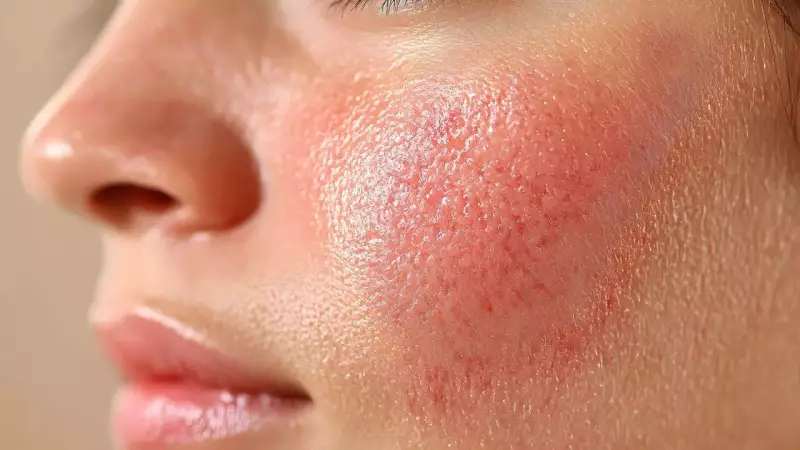
Spider angiomas are small vascular lesions marked by a central red spot surrounded by fine radiating blood vessels. Their development is strongly associated with chronic liver disease, and the review highlights them as one of the most frequent skin findings in cirrhosis patients.
These lesions form when increased circulating estrogens, linked to reduced hepatic clearance, trigger dilation of cutaneous blood vessels. Spider angiomas commonly appear on the face, neck, upper limbs, and chest, where superficial vessels are more visible. While a few isolated lesions can appear in healthy individuals, a greater number or noticeable increase over time can suggest systemic hormonal imbalance related to liver dysfunction. Their characteristic blanching and rapid refilling pattern under light pressure further reflects heightened arterial flow to the skin surface.
4. Palmar Erythema: Reddening of Palms
Palmar erythema, described in the study as a consistent finding in chronic liver disease, is characterized by a symmetrical reddening of the palms, particularly along the thenar and hypothenar regions. The underlying mechanism involves hormonal and vascular changes that accompany impaired hepatic metabolism.

As the liver becomes less efficient at clearing circulating estrogens and vasoactive substances, the small blood vessels in the palms dilate, creating a diffuse redness that doesn't feel warm or inflamed. The condition is painless and persistent, sometimes extending to the soles of the feet. While it may also appear during pregnancy or thyroid imbalance, its presence alongside other features of hepatic stress can provide meaningful insight into declining liver function.
5. Nail and Skin Texture Changes
Alterations in nail appearance and skin texture are described in the reviewed study as subtle yet significant indicators of chronic liver disease. Nails may develop whitening, pale bands, a washed-out appearance, or other structural irregularities due to reduced protein synthesis and circulatory changes associated with hepatic impairment.
The skin may become uncharacteristically dry, fragile, or prone to flaking as metabolic disruptions alter lipid balance and hydration levels. These changes arise gradually and may be mistaken for nutritional deficiencies or environmental irritation. However, their persistence, particularly when occurring alongside vascular lesions or pigment alterations, suggests broader metabolic stress. Since such manifestations are not typically painful, they can be easily overlooked unless considered in the context of possible liver dysfunction.
The Vital Importance of Early Detection
Skin signs often emerge before more serious symptoms of liver disease become apparent, offering an early, non-invasive window into internal health. The review emphasizes that dermatological clues form an important part of clinical evaluation because they reflect disturbances in bilirubin processing, hormone regulation, vascular behavior, and protein synthesis.
Recognizing these changes early can guide timely investigations such as liver enzyme testing, imaging, or further hepatology assessment. Early detection proves particularly valuable in conditions like fatty liver disease or early-stage cirrhosis, where medical intervention may significantly slow disease progression. Observing gradual changes in skin color, texture, or vascular pattern therefore encourages a more proactive approach to liver health management.
When to Consult a Doctor About Skin Changes
Individuals who notice persistent yellowing, ongoing itching without rash, the appearance of multiple spider angiomas, symmetrical palm redness, or unexplained changes in nail structure should seek medical advice promptly. This becomes especially important when these symptoms develop gradually and cannot be traced to external irritants.
Doctors typically evaluate such signs alongside biochemical tests and clinical history to determine whether they reflect hepatic stress. Consultation becomes particularly crucial for those with risk factors including alcohol use, metabolic syndromes, family history of liver disease, or known viral exposure. Early assessment helps determine whether further monitoring, lifestyle modification, or specialist referral is required, ensuring that potential liver disorders are identified at a stage when intervention remains most effective.
Disclaimer: This article is for informational purposes only and should not be considered medical advice. Please consult a healthcare professional before making any changes to your diet, medication, or lifestyle.