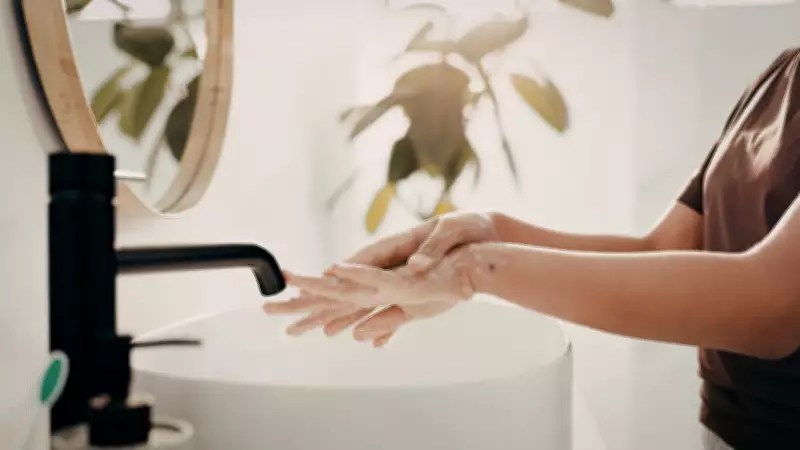
There is something almost ordinary about washing hands. It takes less than a minute, needs no special equipment, and yet stands between people and a long list of infections. That is why doctors continue to return to this habit, even in an age of advanced medicine.
The Power of Handwashing in Public Health
Long before vaccines and antibiotics became common, hand hygiene changed survival rates. During the COVID-19 pandemic, the same message resurfaced with urgency. Clean hands are not just about personal hygiene. They shape community health in ways that are often overlooked.
The Invisible Chain of Infection
Everyday life involves constant contact. Door handles, phones, currency notes, railings, and even friendly handshakes carry microbes. These are not always harmful, but some can cause serious illness. Dr Pratik Gopani, Consulting Physician at Zynova Shalby Hospital, Mumbai, explains, "Many people don't prioritize handwashing. Regular handwashing protects against serious infections and improves overall well-being. It is a powerful and affordable health practice that everyone should follow." When contaminated hands touch the face, germs find an easy route into the body. This is how infections like cholera, typhoid, diarrhoea, and respiratory illnesses such as influenza spread. It is not always about poor environments; even clean-looking spaces can carry risk.

What Research Shows About Handwashing
Handwashing is not just advice passed down casually. It is backed by strong public health data. The Centers for Disease Control and Prevention reports that handwashing lowers respiratory infections by around 20%. In countries where access to clean water and sanitation improves, infection rates drop sharply. This makes handwashing one of the most cost-effective health interventions ever studied.
Everyday Moments People Tend to Ignore
It is not the big, obvious situations that cause most infections. It is the routine moments that slip by unnoticed. Poor hand hygiene can lead to symptoms like stomach pain, vomiting, fever, cough, or skin irritation. In some cases, these escalate and require hospital care. The critical moments include:
- After using the washroom
- Before eating or cooking
- After handling raw food
- After coughing, sneezing, or using a tissue
- After touching pets or waste
- After being in public spaces
Children and older adults face higher risk. Their immunity is either still developing or gradually weakening, so simple habits matter more.
Doing It Right: Technique Matters More Than Time
Washing hands is simple, but many people rush through it. A proper routine takes about 20 seconds:
- Wet hands with clean water
- Apply soap and create a rich lather
- Rub palms, back of hands, between fingers, and under nails
- Rinse thoroughly
- Dry with a clean towel or air
Soap works by breaking down grease and dirt that hold germs. Without soap, many microbes remain on the skin. If soap is not available, alcohol-based sanitizers help, but they are not a full replacement, especially when hands are visibly dirty.
Why This Habit Still Matters in Modern Life
Medicine has advanced, but infections still spread quickly in crowded cities, workplaces, and schools. A single missed habit can affect many people. Handwashing stands out because it protects not just the individual, but everyone around them. It is a shared responsibility. That is why doctors continue to stress it, even when it sounds basic. As public health systems evolve, this small act remains unchanged. Simple, repeatable, and powerful.
This article includes expert inputs shared with TOI Health by Dr Pratik Gopani, Consulting Physician, Zynova Shalby Hospital, Mumbai. Inputs were used to explain why proper handwashing remains a cornerstone of disease prevention and why maintaining hand hygiene is essential for protecting both individual and public health.