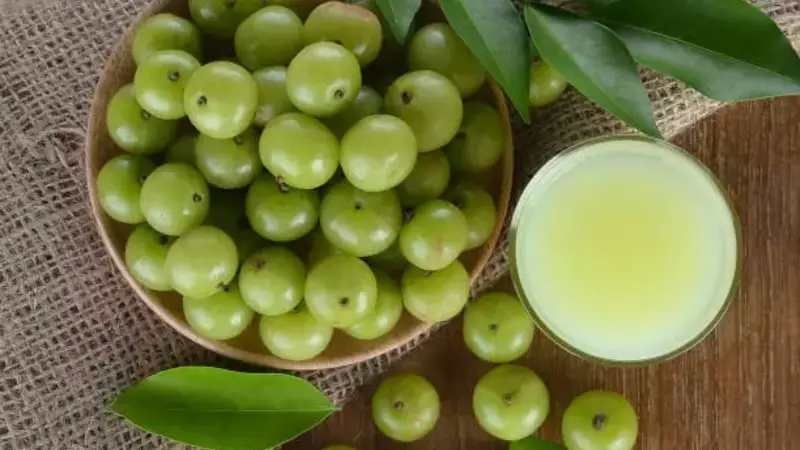
As the winter chill sets in across India, the quest for natural remedies to stay healthy becomes paramount. Among the plethora of traditional foods celebrated in Ayurveda, one humble fruit stands out for its exceptional seasonal benefits: Amla, or the Indian gooseberry. This nutrient-dense superfood is not just a seasonal staple but a powerful ally against common winter ailments.
The Nutritional Powerhouse: Why Amla Reigns Supreme in Winter
Amla's reputation as a winter essential is deeply rooted in its formidable nutritional profile. It is famously one of the richest natural sources of Vitamin C, a critical nutrient for immune function. During the colder months, when our bodies are more susceptible to infections like the common cold and flu, maintaining high levels of this vitamin is crucial. Consuming amla regularly can significantly bolster the body's defense mechanisms.
Beyond immunity, amla is packed with antioxidants, including flavonoids and polyphenols. These compounds combat oxidative stress and inflammation, which tend to increase during seasonal changes. The fruit also contains essential minerals like iron, calcium, and phosphorus, contributing to overall vitality when energy levels might dip in the winter.

Key Health Benefits of Including Amla in Your Winter Diet
Integrating amla into your daily routine can address multiple health concerns prevalent in the winter season. Its benefits are multifaceted and impact various systems within the body.
Immunity Booster and Cold Fighter: The high Vitamin C content in amla enhances the production of white blood cells, the body's primary infection-fighting cells. This makes it a frontline defense against recurrent colds, coughs, and other respiratory issues common in winter.
Promotes Digestive Health: Winter often brings rich, heavy foods that can slow down digestion. Amla acts as a mild laxative and digestive stimulant. Its fiber content aids bowel regularity, while its cooling properties, as per Ayurveda, help balance digestive fire (Agni) without aggravating it.
Nourishes Skin and Hair: The dry winter air can wreak havoc on skin and hair, causing dryness, flakiness, and dullness. The antioxidants in amla combat free radicals responsible for skin aging, while its nutrients promote collagen production for supple skin. For hair, it strengthens roots, prevents dandruff, and adds a natural shine.
Provides a Natural Energy Lift: The combination of vitamins and minerals in amla helps combat the lethargy and fatigue often experienced during shorter, colder days. It provides a natural energy boost without the crash associated with caffeine or sugar.
How to Incorporate Amla into Your Daily Meals
The versatility of amla makes it easy to consume. It can be eaten raw, though its sour and astringent taste might be strong for some. Here are popular and palatable ways to enjoy its benefits:
Fresh Amla Juice: Drinking a tablespoon of fresh amla juice mixed with water every morning on an empty stomach is a potent ritual for winter wellness.
Amla Murabba (Sweet Preserve): A traditional favorite, this sweet-and-sour preparation makes amla palatable for all ages while retaining most of its nutrients.
Powdered Form (Churna): Dried amla powder can be easily mixed into warm water, honey, or smoothies. It's a convenient option for daily use.
In Culinary Preparations: Chopped or grated amla can be added to dals, chutneys, pickles, and even vegetable dishes, imparting a tangy flavor and nutritional upgrade.
Amla Candies or Supplements: For those constantly on the go, these offer a quick and tasty way to get a daily dose.
Embracing amla this winter is more than just following a trend; it's about tapping into centuries-old wisdom. This unassuming fruit is a testament to the power of natural, food-based medicine. By making it a regular part of your diet, you invest in a stronger immune system, better digestion, radiant skin, and sustained energy—arming yourself with nature's best defense against the winter blues.