

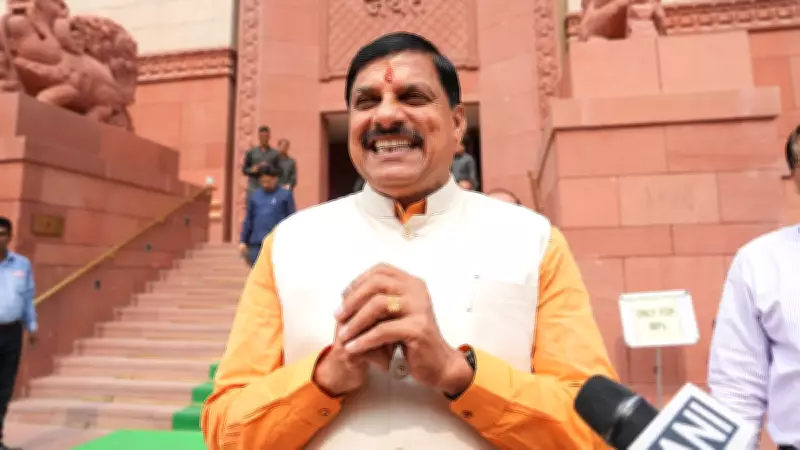
In a significant move to promote traditional Indian wellness practices, Madhya Pradesh Chief Minister Mohan Yadav has announced that Garbh Sanskar will be taught across the state, with special Garbh Sanskar rooms to be established in government hospitals. This initiative aims to integrate ancient wisdom into modern healthcare, focusing on the holistic development of the unborn child.
Reviving Ancient Practices for Modern Maternal Health
The decision, revealed by CM Mohan Yadav, underscores the state government's commitment to blending traditional knowledge with contemporary medical facilities. Garbh Sanskar, an age-old Indian practice, is believed to positively influence the physical and mental growth of the fetus through the mother's thoughts, diet, and conduct during pregnancy. By incorporating this into the public health system, Madhya Pradesh seeks to offer a comprehensive approach to prenatal care.
Implementation in Government Hospitals
As part of this initiative, dedicated Garbh Sanskar rooms will be set up in government hospitals throughout Madhya Pradesh. These rooms will serve as spaces where expecting mothers can learn and practice the principles of Garbh Sanskar, guided by trained professionals. The move is expected to enhance maternal well-being and fetal health, leveraging insights from Ayurveda and traditional Indian medicine.

Expert Insights on Garbh Sanskar
Experts in the field emphasize that Garbh Sanskar is not merely a ritual but a scientifically informed practice that promotes a nurturing environment for the fetus. It involves mindful activities, balanced nutrition, and positive behavioral patterns, which are thought to contribute to the child's long-term development. By teaching this in educational settings and healthcare facilities, the state aims to empower pregnant women with knowledge that spans generations.
Broader Implications for Healthcare and Education
This announcement reflects a growing trend in India to revive and institutionalize traditional practices within public systems. The introduction of Garbh Sanskar teachings and rooms in Madhya Pradesh could set a precedent for other states, potentially leading to a nationwide adoption of similar programs. It highlights the importance of cultural heritage in shaping modern health policies and educational curricula.
As the initiative rolls out, it will be crucial to monitor its impact on maternal and fetal health outcomes, ensuring that it complements existing medical services without compromising on scientific standards. The state government's focus on this ancient practice signals a shift towards more holistic and inclusive healthcare solutions in India.






