

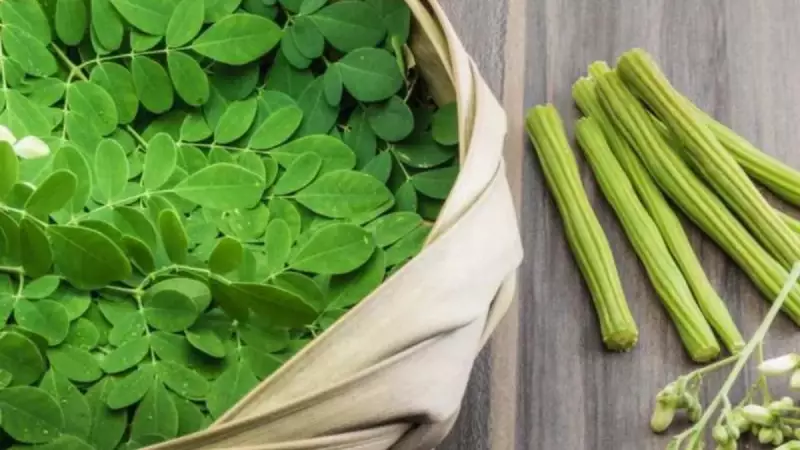
Often overlooked in our daily diets, the humble moringa, or drumstick leaves, are emerging as a nutritional powerhouse with profound health benefits. Known scientifically as Moringa oleifera, this plant, native to parts of Africa and Asia, has been a staple in Ayurvedic medicine for centuries. Modern research is now validating what traditional practices have long claimed: these leaves are a potent superfood capable of combating several modern-day ailments.
Unpacking the Nutritional Power of Moringa Leaves
The secret behind moringa's status as a superfood lies in its dense nutritional profile. The leaves are packed with essential vitamins and minerals. They are an excellent source of vitamin C, vitamin A, calcium, potassium, and iron. Remarkably, gram for gram, moringa leaves contain more vitamin C than oranges and more calcium than milk. They are also rich in antioxidants like quercetin and chlorogenic acid, which fight free radicals in the body. Furthermore, they provide all nine essential amino acids, making them a rare complete plant-based protein, which is crucial for tissue repair and muscle building.
Key Health Benefits: From Immunity to Chronic Disease Management
The consumption of moringa leaves is linked to a wide array of health benefits, impacting everything from daily energy levels to long-term disease management.

Boosts Immunity and Fights Inflammation: The high levels of vitamin C, beta-carotene, and various antioxidants strengthen the immune system, helping the body ward off common infections. The anti-inflammatory properties can help reduce chronic inflammation, which is a root cause of many health issues like heart disease and cancer.
Regulates Blood Sugar Levels: This is one of the most celebrated benefits. Compounds in moringa leaves, such as isothiocyanates, help in lowering blood sugar levels. Studies suggest that incorporating moringa into the diet can lead to significant reductions in fasting and post-meal blood sugar levels, making it a valuable dietary addition for those managing diabetes or pre-diabetes.
Supports Heart Health: Moringa can contribute to a healthier heart by helping to control cholesterol. The leaves have been shown to reduce bad cholesterol (LDL) and triglyceride levels while potentially increasing good cholesterol (HDL). This lipid-regulating effect, combined with its antioxidant power, helps protect the heart and arteries.
Enhances Digestive Health: The leaves have a mild laxative effect and are rich in fiber, which aids digestion, prevents constipation, and can help with issues like bloating. The antibacterial properties may also help combat various stomach pathogens.
Improves Bone Health and Skin: With an abundance of calcium and phosphorus, moringa leaves are excellent for maintaining strong bones and teeth. The antioxidants and nutrients like vitamin A and E also promote healthy, glowing skin by reducing oxidative stress and signs of aging.
How to Incorporate Moringa Leaves into Your Daily Diet
Adding this versatile superfood to your meals is simpler than you might think. Fresh moringa leaves can be used just like spinach or other leafy greens. They can be sautéed with spices to make a simple stir-fry or added to dals and curries for a nutritional boost. A popular and easy method is to steam the leaves lightly and season them with lemon and salt for a healthy side dish.
For those who don't have access to fresh leaves, moringa powder is a convenient alternative. This dried and ground powder can be easily mixed into smoothies, juices, yogurt, or even sprinkled over soups and salads. You can also brew it as a tea by steeping the dried leaves or powder in hot water. It's important to start with small quantities, such as half a teaspoon of powder daily, and gradually increase to allow your body to adjust.
While moringa leaves are generally safe for consumption, it is advised to avoid the root and its extracts during pregnancy. As with any significant dietary change, especially for individuals with existing health conditions or those on medication, consulting a healthcare professional is recommended.

In conclusion, moringa leaves stand out as a readily available, affordable, and incredibly effective natural supplement for enhancing overall wellness. By integrating this ancient Ayurvedic treasure into modern diets, individuals can take a proactive step towards preventing disease and achieving optimal health.





