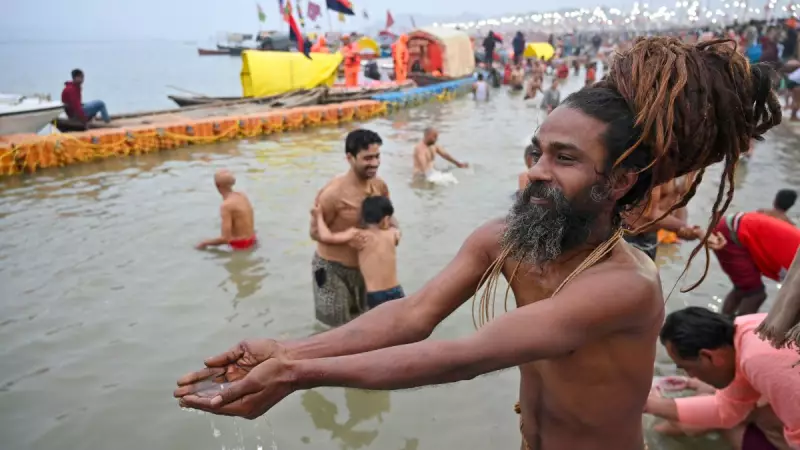
The sacred calendar for one of Hinduism's most significant spiritual gatherings, the Magh Mela, has been announced for the year 2026. This grand event, held annually in the holy city of Prayagraj at the confluence of the Ganga, Yamuna, and the mythical Saraswati rivers, is a pivotal period for devotees seeking purification and divine blessings.
The Six Sacred Bathing Dates of Magh Mela 2026
The core of the Magh Mela observance revolves around taking holy dips, known as 'snan', on specific auspicious days. For the 2026 event, authorities and religious calendars have identified six primary bathing dates that hold immense spiritual significance. These dates are calculated based on a combination of the lunar calendar and specific planetary positions.
The first major bath is on Makar Sankranti, which falls on January 14, 2026. This day marks the sun's transition into the Capricorn zodiac (Makar Rashi) and is considered supremely auspicious to begin the mela rituals. Following this, the second important snan occurs on Paush Purnima, on January 30, 2026. The full moon day of the Paush month sees a massive influx of pilgrims.

The third key date is Mauni Amavasya, scheduled for February 16, 2026. This 'new moon of silence' is often regarded as the most important bath during the entire Magh Mela. Devotees observe silence and take the holy dip, believing it leads to salvation. The fourth significant snan happens on Basant Panchami, falling on February 22, 2026. This day venerates Goddess Saraswati and welcomes the spring season.
The Final Phase and Mahashivratri Culmination
As the mela progresses, the fifth major bathing date is Maghi Purnima, on March 3, 2026. The full moon of the Magh month is another peak day for pilgrim activity at the Sangam. The grand spiritual journey of the Magh Mela 2026 culminates with the sixth and final sacred bath.
The concluding and highly revered snan takes place on Mahashivratri, which is on March 8, 2026. This night dedicated to Lord Shiva sees devotees taking a final holy dip, offering prayers, and participating in night-long vigils. The Mahashivratri snan brings the extended period of the Magh Mela to a powerful and devotional close.
Significance and Preparations in Prayagraj
The Magh Mela is not just a ritual but a massive cultural and logistical event. It serves as a smaller version of the Kumbh Mela and attracts millions of sadhus, ascetics, and householder devotees from across India and the world. The Uttar Pradesh government and local Prayagraj authorities begin preparations months in advance to set up the vast tent city, manage security, sanitation, and crowd control.
The primary belief driving this immense gathering is that bathing in the Sangam during these specific astronomical alignments cleanses one of all sins and helps break the cycle of rebirth, leading to Moksha (liberation). The period between these main bathing days is also filled with continuous religious discourses, charity, and devotional singing.
For pilgrims planning their visit, it is crucial to note these six dates. The infrastructure includes:
- Elaborate tent accommodations (shiviras) for various akharas and the public.
- Well-defined bathing ghats and safety measures at the Sangam.
- Arrangements for food, water, and medical aid across the mela grounds.
With the dates now clear, devotees can start planning their spiritual sojourn to Prayagraj for Magh Mela 2026, aiming to partake in these six auspicious snans and conclude their pilgrimage with the powerful observances of Mahashivratri.