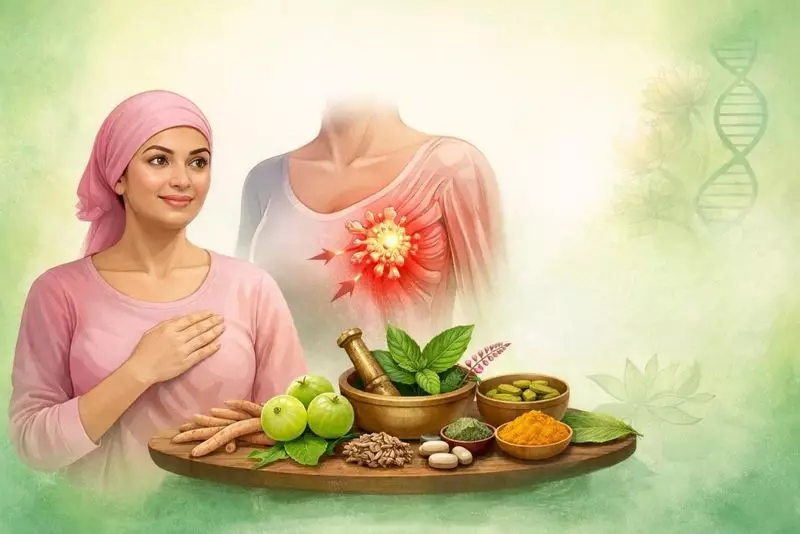
In a significant development for cancer care in India, a new movement is gaining momentum that seeks to bridge the gap between patient expectations and clinical outcomes. This approach strategically combines the ancient wisdom of Ayurveda with modern Western oncology to create a more holistic treatment journey for those battling breast cancer.
The Growing Need for Integrated Cancer Care
The conversation was prominently highlighted during a recent panel discussion titled 'Meeting Breast Cancer Patients' Expectations', a key event at the 10th edition of the International Conference on Integrative Oncology. This important gathering was organized by the Indian Cancer Society in collaboration with Charak Pharma, a leading name in Ayurvedic medicine. The core message from experts was clear: while Western medicine excels at targeting and eliminating cancer cells, it often falls short in managing the debilitating side effects of treatment, which severely impact a patient's quality of life.
Dr. Mandeep S. Malhotra, a renowned Head and Neck Oncology surgeon, emphasized this critical point. He stated that the primary goal of Western oncology is "cure and survival". However, treatments like chemotherapy, radiation, and surgery can lead to a host of challenging side effects, including fatigue, pain, neuropathy, lymphedema, and emotional distress. This is where a complementary system like Ayurveda can play a transformative role.

Ayurveda's Role in Managing Treatment Aftermath
Ayurveda, with its 5,000-year-old foundation, offers a different perspective. It focuses on restoring balance within the body's systems. Experts at the conference explained that Ayurvedic interventions are not meant to replace conventional cancer therapies but to support the patient alongside them. The integration aims to achieve several key objectives:
- Alleviating Side Effects: Natural formulations can help manage nausea, fatigue, and pain associated with chemotherapy and radiation.
- Strengthening Immunity: Ayurvedic rasayanas (rejuvenators) may help bolster the immune system, which is often compromised during aggressive treatment.
- Improving Quality of Life: By addressing physical and mental well-being, Ayurveda helps patients cope better and maintain strength throughout their cancer journey.
- Offering Emotional Support: The holistic principles of Ayurveda, which consider mind and body as one, provide a framework for emotional and psychological care.
Dr. Malhotra articulated this synergy perfectly, noting that Ayurveda helps patients "tolerate modern treatment better and recover from it faster." This integrated model is seen as a patient-centric evolution in oncology, moving beyond a sole focus on the disease to a more compassionate focus on the person fighting it.
Building Bridges and Setting a New Standard
The panel, which included esteemed oncologists and Ayurvedic practitioners, stressed the importance of collaboration. For this model to succeed, open communication and mutual respect between oncologists and Ayurvedic physicians are essential. The goal is to create a coordinated care plan where both systems work in tandem, with the patient's safety and best interest as the top priority.
This initiative represents a significant step in integrative oncology within the Indian healthcare landscape. It acknowledges the strengths of both medical paradigms and seeks to create a comprehensive ecosystem for cancer care. By combining the tumor-fighting power of Western medicine with the side-effect managing and restorative capabilities of Ayurveda, healthcare providers aim to not only improve survival rates but also ensure that the path to recovery is more manageable and humane for breast cancer patients.
The discussion marks a pivotal shift towards personalized and holistic medicine, promising a future where patient expectations for compassionate and effective care are not just met but exceeded.