Taylor Armstrong's Bad Bunny Comment Ignites Free Speech and Apology Debate
The recent controversy involving Real Housewives of Beverly Hills star Taylor Armstrong has reignited a critical conversation about democracy, freedom of speech, and the complex dynamics of public apologies in the digital age. When individuals comment first and apologize later, it raises profound questions: Are we pushing free speech too far, or are we overly focused on the performative aspects of public apologies? What defines the thin line between an impulsive comment and its consequential apology? This incident serves as a compelling case study to examine these issues.
The Comment and Apology: Taylor Armstrong on Bad Bunny's Super Bowl Show
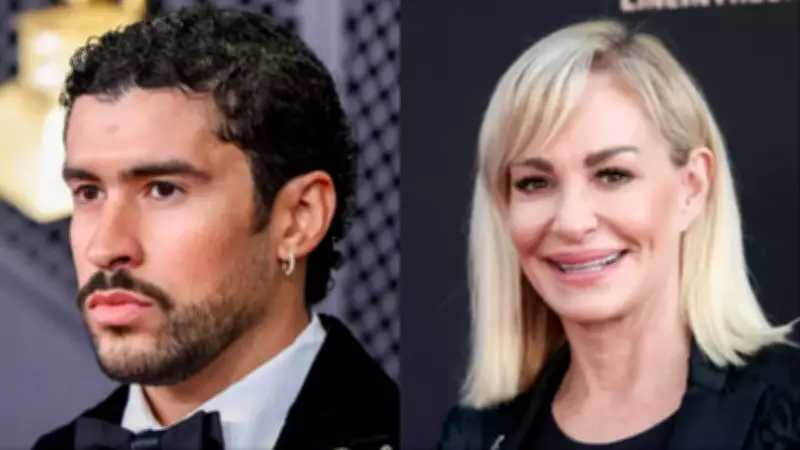
Taylor Armstrong's original comment on the Super Bowl LX halftime show, headlined by Bad Bunny, was pointed and controversial. She stated, "Were you entertained? I am embarrassed for the NFL and Apple for the Super Bowl halftime show totally in Spanish with a Cuban flag!!" This remark quickly sparked backlash for its perceived insensitivity toward Latin culture and the Spanish language.
In response, Armstrong issued a public apology via her Instagram Story. She explained, "The Super Bowl is such a huge American tradition, and while I personally didn't connect with the creative direction of this year's halftime show, that doesn't take away from the fact that Bad Bunny IS an American and that the Spanish language is a prominent aspect of American culture. Evidently, my lack of awareness of the Latin culture led me to mistaken the flag as Cuban." This apology attempted to clarify her intentions and acknowledge cultural ignorance, but it left many questioning its sincerity.

The Sincerity Dilemma: Heartfelt Comments vs. Forced Apologies
Often, a comment emerges from one's genuine thoughts, emotions, and beliefs—springing from the heart, head, and soul. However, when faced with intense public backlash, individuals may feel compelled to apologize, with that apology rarely originating from the same authentic place. This raises a critical issue: Who can verify the sincerity of such apologies? The initial comment is already public, and the backlash follows inevitably. Yet, the apology's worth or genuineness remains uncertain and unverifiable.
The damage is inflicted, and someone inevitably bears the brunt of the hurt. While corrective measures like public apologies might temporarily quiet the backlash, the residual damage often lingers. The comment has been uttered, creating a seemingly endless cycle in the digital town square where impulsive remarks and obligatory apologies collide repeatedly.
Historical Context: Drew Brees' 2020 Apology
This pattern is not unique to Armstrong. In 2020, Drew Brees, recently inducted into the Pro Football Hall of Fame Class of 2026, faced similar scrutiny. During an interview with Yahoo Finance, Brees commented that he "will never agree with anybody disrespecting the flag of the United States of America or our country," referring to players kneeling during the national anthem to protest social injustice, a movement initiated by Colin Kaepernick in 2016.
Brees faced condemnation from teammates like Cam Jordan, Michael Thomas, Emmanuel Sanders, and Malcolm Jenkins, as well as NFL leaders including Aaron Rodgers. In response, he issued a public apology on Instagram, stating, "In an attempt to talk about respect, unity, and solidarity centered around the American flag and the national anthem, I made comments that were insensitive and completely missed the mark on the issues we are facing right now as a country. They lacked awareness and any type of compassion or empathy." He added that his words had become divisive and hurtful, misrepresenting his true character.
This example underscores how even respected figures in sports navigate the treacherous waters of public commentary and apology, highlighting the ongoing tension between personal expression and public accountability.

Broader Implications for Free Speech and Digital Culture
The cases of Taylor Armstrong and Drew Brees illustrate a broader societal challenge. In an era where social media amplifies every statement, the line between free speech and responsible communication becomes increasingly blurred. Comments made in the heat of the moment can spiral into widespread controversy, forcing apologies that may or may not reflect genuine remorse.
This dynamic prompts us to reflect: Are public apologies becoming mere formalities to mitigate backlash, or do they hold substantive value in fostering understanding and growth? The digital landscape demands greater awareness of cultural sensitivities and the potential impact of words, yet it also champions the principle of free expression. Balancing these aspects remains a delicate and ongoing struggle.
Ultimately, incidents like these serve as reminders of the power of language and the complexities of accountability in our interconnected world. They encourage a deeper examination of how we engage in public discourse, the sincerity behind our apologies, and the enduring effects of our words on diverse communities.