Prince William Shares Touching Tribute to Princess Diana on Mother's Day
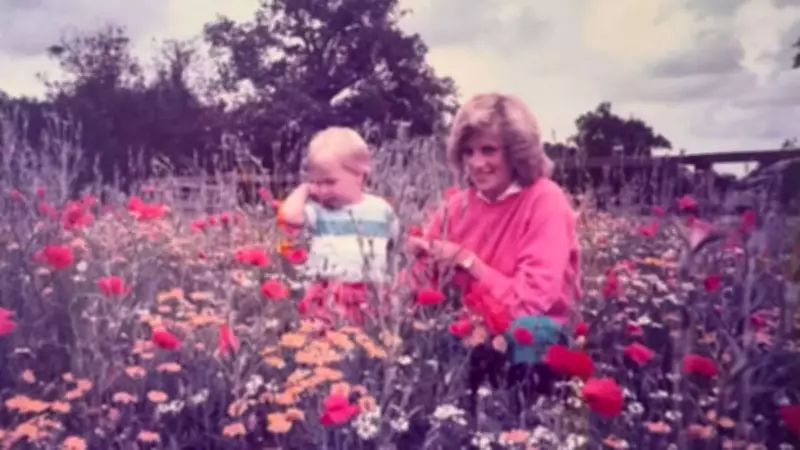
Prince William, the Prince of Wales, paid a heartfelt tribute to his late mother Princess Diana on UK Mother's Day, also known as Mothering Sunday, by sharing a rare and unseen childhood photograph on social media. The 43-year-old royal marked the occasion on March 15 by posting the poignant image on his official Instagram account, capturing a tender moment from his early years.
A Glimpse into Royal Childhood
The photograph, taken in 1984 at Highgrove House, shows a two-year-old Prince William holding hands with his mother Princess Diana while standing in a beautiful field of flowers. The image offers a rare glimpse into their close bond during William's toddler years, highlighting Diana's nurturing presence as a mother.
"Remembering my mother, today and every day. Thinking of all those who are remembering someone they love today. Happy Mother's Day. W," Prince William wrote in the emotional caption accompanying the photograph. This public tribute comes nearly three decades after Diana's tragic death in a Paris car crash in 1997, when William was just 15 years old.

Royal Family's Mother's Day Observances
As families across the United Kingdom celebrated mothers and maternal figures, other members of the royal family also marked Mothering Sunday with their own tributes. King Charles III and Queen Camilla shared a special post on Instagram featuring two photographs - one of the late Queen Elizabeth II and another of Camilla with her late mother Rosalind Shand.
"Wishing Mothers everywhere, and those who might be missing their Mums today, a restful Mothering Sunday," read the caption from the King and Queen's official account. This dual tribute honored both the current monarch's mother and Queen Camilla's own maternal figure.
Meanwhile, Catherine, Princess of Wales, who shares three children with Prince William - Prince George, Princess Charlotte, and Prince Louis - did not post a public tribute this year. The absence of her post was noted by royal observers, though no official explanation was provided.
The Historical Significance of UK Mother's Day
In the United Kingdom, Mother's Day is traditionally known as Mothering Sunday and follows a different calendar than its American counterpart. In 2026, the observance falls on March 15 because it is celebrated on the fourth Sunday of Lent, exactly three weeks before Easter Sunday.
The tradition dates back to Christian customs when people would return to their "mother church" during the Lenten season. Over centuries, this religious observance evolved into a secular occasion for families to reunite and honor mothers and maternal figures.
Because the date is intrinsically linked to the Easter calendar, which varies each year based on lunar cycles, Mothering Sunday changes annually but always falls within the month of March. This differs significantly from the United States' Mother's Day, which is consistently celebrated on the second Sunday of May.
Modern Celebrations and Global Differences
Today, both the UK's Mothering Sunday and the United States' Mother's Day have evolved into widely celebrated occasions where families honor mothers through cards, flowers, gifts, and special gatherings. While their historical origins differ - with the American version having roots in early 20th-century activism - both traditions now share similar modern expressions of appreciation for maternal figures.
The royal family's public tributes on Mothering Sunday serve as a reminder of the universal nature of remembering and honoring mothers, whether they are present or dearly missed. Prince William's decision to share such a personal photograph underscores the enduring impact Princess Diana had on her sons and how her memory continues to influence royal traditions and public engagements.
These observances also highlight how the royal family balances public duties with personal remembrance, allowing glimpses into their private lives while maintaining their official roles. The carefully chosen photographs and messages reflect both individual grief and collective celebration of motherhood across British society.