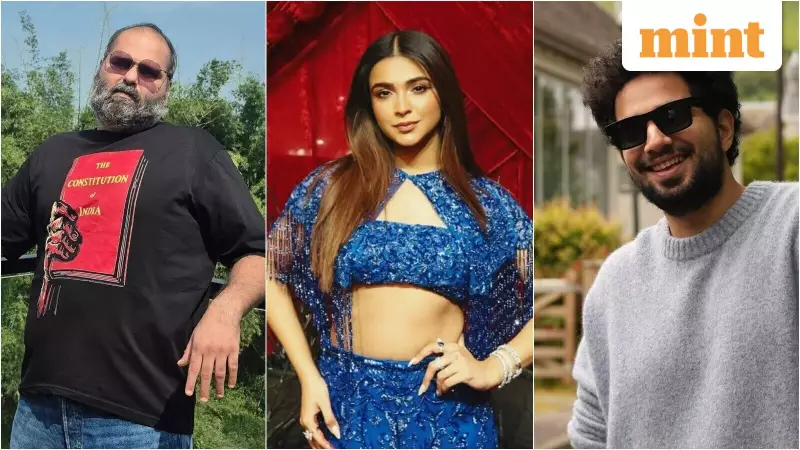
The year 2025 emerged as a period of significant turbulence for India's digital content landscape. A series of high-profile controversies engulfed several prominent influencers and entertainers, placing them at the heart of intense public scrutiny, legal inquiries, and widespread debate across political, legal, and cultural spheres.
Controversies Sparked by "India's Got Latent" Episode
In February 2025, a single episode of the popular YouTube talent and comedy show India's Got Latent, hosted by comedian Samay Raina, ignited a nationwide firestorm. The controversy centered around guest judge Ranveer Allahbadia (BeerBiceps), who posed a question to a contestant that was widely deemed explicit and deeply inappropriate, referencing the contestant's parents' intimate life.
The public reaction was swift and severe. Viewers expressed outrage, leading to police complaints and First Information Reports (FIRs) being filed. Official bodies, including the Maharashtra Cyber Cell and the National Commission for Women (NCW), initiated scrutiny. As a consequence, Samay Raina made all episodes of his show private on YouTube. Both Raina and fellow participant Apoorva Mukhija (The Rebel Kid) were summoned for questioning by authorities in Mumbai.

Mukhija, a social media influencer known for her vlogs, recorded her statement with the Mumbai Police. Amid the intense backlash, she took the drastic step of deleting all posts from her Instagram profile, a move seen as a direct response to the overwhelming media and public pressure.
Legal Repercussions and Wider Cultural Clashes
The fallout from the show had serious legal dimensions. FIRs were registered not only in Mumbai but also in Assam against Ranveer Allahbadia, Samay Raina, and others associated with the episode. The charges revolved around the alleged use of offensive and vulgar language. The NCW also summoned Allahbadia to address concerns regarding the content's nature.
In a parallel but distinct controversy, political satirist Kunal Kamra found himself in a separate maelstrom. Known for his sharp critiques of political figures, Kamra's remarks about a senior leader provoked strong reactions from the leader's supporters, who accused him of defamation and provocation.
The situation escalated when a venue hosting one of Kamra's performances was vandalized, necessitating police involvement. Kamra defended his work as protected political satire, arguing for a comedian's right to critique public officials without facing intimidation. This incident fueled broader discussions on the limits of free speech, the role of satire in democracy, and the risks faced by commentators.
Lasting Impact on India's Digital Discourse
The events of 2025 collectively highlighted several critical tensions within India's evolving digital ecosystem:
- The fine line between creative expression and public decency, as seen in the obscenity allegations.
- The ongoing debate over freedom of speech versus legal accountability, exemplified by Kunal Kamra's case.
- The powerful influence and consequent vulnerability of digital creators when content triggers mass backlash and institutional action.
These controversies underscored how digital platforms have become primary battlegrounds for cultural and political conflicts, with influencers often at the epicenter. The year served as a stark reminder of the complex interplay between online content creation, societal norms, and the long arm of the law in India.