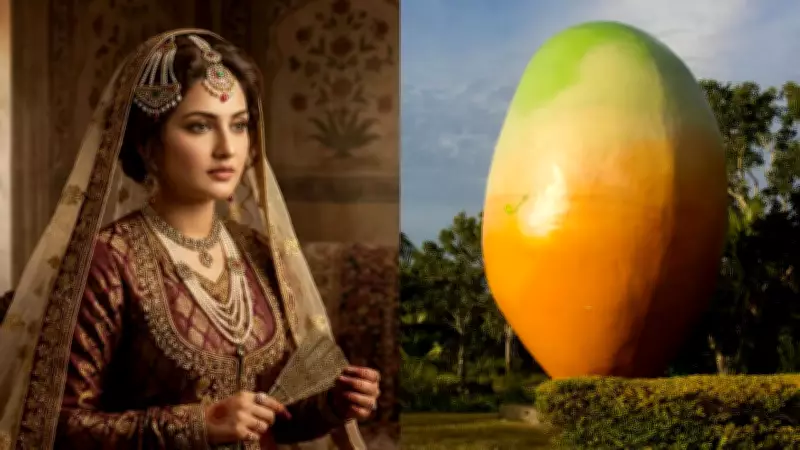
Mango, the ultimate summer fruit also known as the King of Fruits, is celebrated for its aroma, juicy flavors, and vibrant color. While popular varieties like Maldah, Langda, Dashehri, and Hapus are well-known, there exists a rare mango named after a Mughal queen, often called the Queen of Mangoes. Here is the detailed story of this extraordinary fruit.
What is the Noorjahan Mango?
Noorjahan is a rare mango variety from Katthiwada in the Alirajpur district of Madhya Pradesh. It is named after Empress Noor Jahan, the beloved wife of Mughal Emperor Jahangir. This mango is believed to have originated in Afghanistan and is renowned for its exceptional size, flavor, and limited availability.
Historical Background
According to food historians, the Noorjahan mango is thought to have been imported from Afghanistan, making its way to the Katthiwada region via Gujarat. However, there are no records of this variety surviving in either Afghanistan or Gujarat today. Local farmers in Madhya Pradesh claim to be the sole growers of this unique fruit, preserving its lineage for generations.

Unique Characteristics
The Noorjahan mango is rumored to be the world's largest mango variety. Each fruit can weigh between 2.5 to 3.5 kilograms and extend up to a foot in length. It has a distinct saffron-like flavor and delicate skin, making it highly prized. Interestingly, the tree itself is relatively small, reaching a maximum height of only 12 feet. The unique climate, soil, and weather conditions of Madhya Pradesh are credited for the mango's exceptional size and quality.
Price and Rarity
Due to its limited production, the Noorjahan mango is expensive, with prices reaching up to Rs 1000 for a single piece. Its consumption is largely restricted to Madhya Pradesh and neighboring Gujarat, as the fruit is not widely available in other parts of India or abroad.
Cultivation in India
According to a report by The Better India, Noorjahan mango farming began at Noorjahan Mango Farms in Katthiwada, managed by Shivraj Singh Jadav. His father started the farm by planting this variety from a graft in 1965. The mango gained national attention when Shivraj's father was featured on national television between 1978 and 1981, highlighting the fruit's unique story and quality.