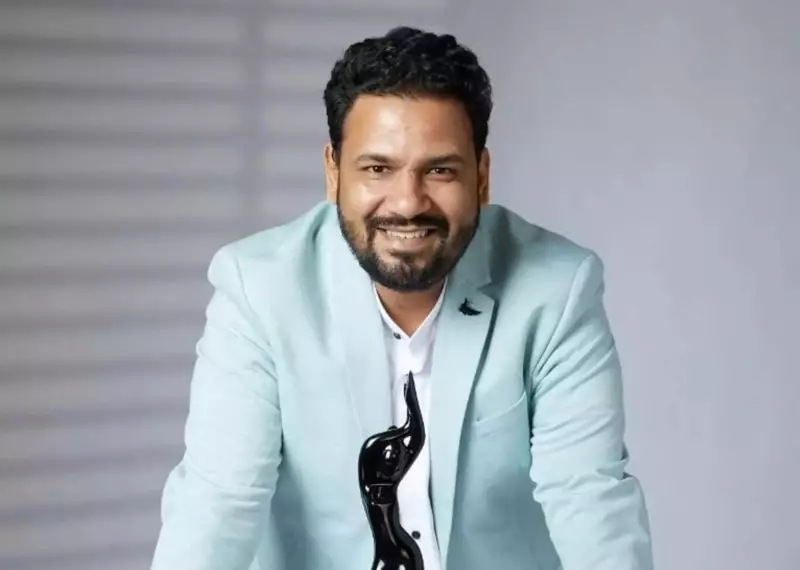
Renowned Marathi writer and director Kshitij Patwardhan, the creative force behind some of the industry's most poignant modern narratives, has declared that Marathi cinema is standing at the cusp of a significant transformation. He asserts that the sector's future growth hinges on a broader vision of its potential audience and geographical reach.
From Local Roots to Global Screens
Patwardhan points to the international journey of the film Sabar Bonda, which was recently showcased in New York, as a prime example. This event demonstrates how stories deeply embedded in local culture can achieve universal appeal. "If marketed properly, the entire world is at your fingertips," he states, highlighting a strategic shift among filmmakers. He observes that creators are now more thoughtfully considering international viewers, language adaptations, and the pursuit of cultural universality, a mindset helping Marathi cinema break free from its earlier perceived constraints.
New Storytellers Fueling a Creative Renaissance
For Patwardhan, the most powerful catalyst for this change is the influx of fresh talent. He notes that eight debutante directors made a significant impact in the past year alone, each forging a unique connection with audiences. This diversity of successful voices is rebuilding the industry's confidence from its core. "Both these streams of mainstream and subordinate have now started working together," he explains, describing a more robust and synergistic creative ecosystem where commercial projects and experimental art films can mutually thrive.

AI as a Tool, Not a Replacement
Embracing modern technology, Patwardhan is incorporating Artificial Intelligence (AI) in his upcoming project, Uttar. However, he firmly positions AI as "a process enhancer and not a process replacer." While it aids in refining drafts and ideas, he believes the soul of storytelling remains irreplaceably human. "AI can’t replicate the traumas, the embarrassments, the successes and other life experiences that we get from our childhood and our lives," he insists, underscoring that authentic narrative power stems from lived experience.
This confluence of strategic global thinking, a wave of new directorial talent, and the thoughtful adoption of technology paints a picture of a Marathi film industry poised to claim a much larger cultural space, both within India and on the world stage.