The rapid expansion of Over-The-Top (OTT) streaming platforms in India is paradoxically leading to a decline in bold, original storytelling. As screens proliferate across Indian households, content creators and platforms are increasingly opting for safer, formulaic content over innovative narratives, resulting in a noticeable drop in standout original series and films in 2025.
The Rise of the 'Safe Slate' and the Smart TV Effect
Industry insiders point to a significant shift in viewing habits as a primary driver for this change. Screenwriter and showrunner Smruti Choudhury describes this as the 'Smart TV Effect'. "The initial wave of experimentation happened because people were binge-watching privately on smartphones," she explains. "Now that smart TVs are commonplace, viewing has become 'shared and family time' again. This forces platforms into 'safe slates', mainly family dramas, and kills the potential for risky, edgy narratives."
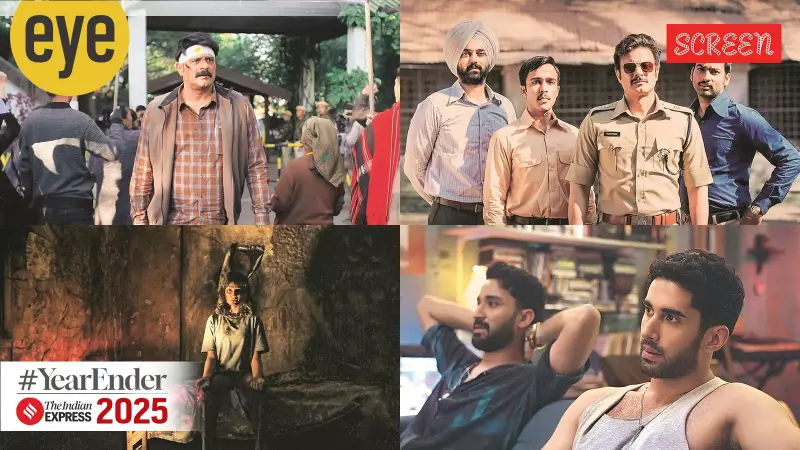
This trend is evident in the platforms' programming choices. While shows like Netflix’s Black Warrant, Prime Video’s Khauf, and SonyLiv’s The Hunt – The Rajiv Gandhi Assassination Case received critical appreciation, the major focus for streamers has been on franchises and new seasons of established hits. Key examples from the year include Khakee: The Bengal Chapter on Netflix; Paatal Lok Season 2 and Panchayat Season 4 on Prime Video; and Criminal Justice: A Family Matter and Special Ops 2 on JioHotstar.

Algorithmic Decisions and the Gravitation Towards Stars
The content strategy is increasingly driven by algorithms and a tendency to replicate past successes. Sudeep Nigam, writer of the web series Avrodh (2020-22), notes a loss of creative appetite. "Somewhere, the appetite to do it in a new way has gone. We are not breaking that clutter, unlike the Apple TV shows The Studio or Pluribus. They are breaking that clutter by breaking the template," he states.
This risk-averse approach extends to greenlighting projects, where gatekeeping based on strange parameters has become a point of contention for many writers and directors. Decision-makers, often lacking a creative background, heavily rely on data, leading to baffling choices like stalling new seasons of acclaimed shows. For instance, Netflix reportedly stalled the shooting of a new season of Black Warrant.
As platforms aim to capture audiences in smaller towns, they believe that casting established stars is a safer bet to grab attention, further sidelining novel concepts without big names attached.
The Blurring Lines: OTT, TV, and YouTube's Disruption
The distinction between television and digital streaming is blurring. Choudhury, who recently moved to Bhubaneswar, observed that in Tier-II cities and smaller towns, television remains the first choice, with OTT often used for 'catch-up TV'. "They watch Kyunki Saas Bhi Kabhi Bahu Thi 2 on JioHotstar instead of streaming an original show," she says, drawing a parallel to how satellite TV initially introduced groundbreaking serials before reverting to safer, popular formulas.
Adding to this convergence is the rising popularity of micro-dramas and second-screen experiences, which some believe contribute to a 'dumbing down' of content. Meanwhile, YouTube is emerging as a potential disruptor for premium series. Following Aamir Khan's decision to release Sitaare Zameen Par on YouTube for rent, the platform saw another experiment with Perfect Family, a show featuring Gulshan Devaiah and Neha Dhupia, which adopted a pay model for its later episodes.
Globally, YouTube's clout is rising, underscored by its recent deal with the Academy of Motion Picture Arts and Sciences for exclusive global rights to stream the Oscars from 2029 to 2033.
As the landscape evolves, Indian streaming services face a critical question: Can playing it safe continue to deliver the disruptive appeal they once promised, or will it lead to creative stagnation in the face of new competition and changing viewer habits?