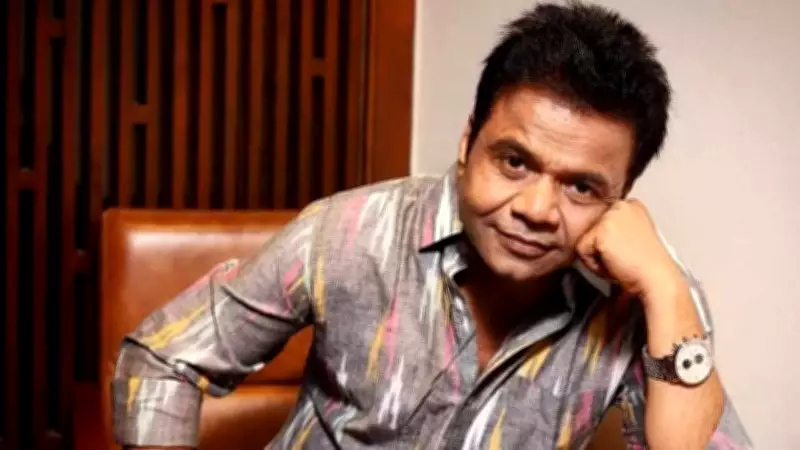
Bollywood's Legal Landscape Heats Up with Multiple High-Profile Cases
The Indian film industry is witnessing a surge in legal controversies as several prominent actors find themselves entangled in court battles. From financial disputes to defamation and emerging issues like AI-generated deepfakes, these cases highlight the complex legal challenges facing celebrities in the digital age.
Rajpal Yadav's Cheque-Bounce Setback Leads to Surrender
Actor Rajpal Yadav, celebrated for his comic roles in films such as ‘Hera Pheri’ and ‘Bhool Bhulaiyaa’, faced a significant legal blow in early February 2026. The Delhi High Court declined to grant him additional time in a long-running cheque-bounce matter, directing him to surrender. Following the court's order, which cited repeated non-compliance with settlement assurances, Yadav surrendered at Tihar Jail. The court also permitted the release of cheque amounts to the complainant, bringing renewed attention to this protracted financial dispute.
Salman Khan Secures Interim Relief in Defamation Case
In January 2026, Salman Khan obtained interim relief from a Mumbai civil court in a defamation case against filmmaker Abhinav Kashyap. The court restrained Kashyap from making what it described as “scandalous, false, and grossly defamatory” remarks about Khan and his family. This order came after a series of interviews and podcasts where Kashyap made allegations, prompting Khan to seek legal protection for his reputation.

Ajay Devgn Takes on Deepfake Misuse in Landmark Case
Ajay Devgn approached the Delhi High Court seeking protection of his personality rights against AI-generated deepfake content and the misuse of his image online. This case underscores a growing trend where celebrities are treating deepfake manipulation as a serious identity infringement rather than harmless internet humor. Legal experts note that remedies in such matters typically involve takedown orders and restrictions on further circulation, setting a precedent for future digital rights issues.
Manoj Bajpayee's Project Sparks Title Controversy
Manoj Bajpayee’s upcoming project ‘Ghooskhor Pandat’ landed in legal hot water after objections were raised over its title. Reports indicate that an FIR was lodged in Lucknow alleging that the name hurt caste or community sentiments. Following the backlash, the teaser was withdrawn. Bajpayee and the makers clarified that the title was not intended to target any group, but the issue has nevertheless escalated into legal territory, highlighting the sensitivity around cultural representation in media.
Ranveer Singh Faces FIR Over Cultural Insensitivity Allegations
An FIR was registered against actor Ranveer Singh at Bengaluru’s High Grounds Police Station in January 2026, following a court directive. The complaint, filed by advocate Prashanth Methal, alleges that Singh’s stage act at the IFFI 2025 closing ceremony in Goa on November 28, 2025, insulted the Chavundi Daiva tradition of coastal Karnataka by referring to the deity as a "female ghost". In response, Ranveer Singh issued an unconditional apology, stating that his intention was to honor Rishab Shetty's performance and that he holds deep respect for all traditions.
Vivek Oberoi Wins Interim Order Against Deepfake Misuse
In February 2026, actor Vivek Oberoi secured an interim order from the Delhi High Court to protect his personality rights against the misuse of his name, image, and voice via AI-generated deepfakes and fake social media accounts. The Court restrained several entities from using his persona without consent, citing significant reputational damage. This case adds to the growing legal discourse on digital identity protection for public figures.
These ongoing legal storms reflect broader issues in Bollywood, including financial accountability, defamation risks, and the challenges posed by advancing technology. As celebrities navigate these complex waters, their cases serve as cautionary tales and potential benchmarks for future legal frameworks in the entertainment industry.