Anupam Shobhakar Showcases Fusion of Tradition and Modernity at Kala Ghoda Arts Festival
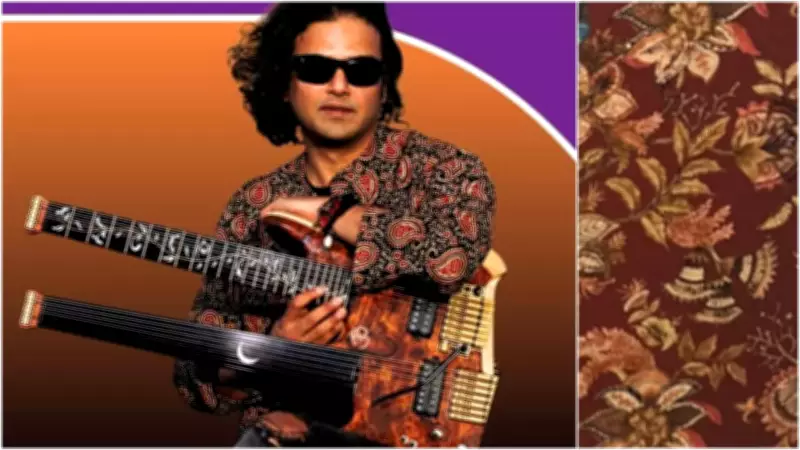
Renowned Indian classical musician Anupam Shobhakar delivered a captivating performance at this year's Kala Ghoda Arts Festival, seamlessly blending the timeless grammar of raga with contemporary experimentation. His set, which featured the unique instrument Kali Maa, a custom double-neck guitar–sarod hybrid, highlighted his eclectic musical journey from rock roots in Mumbai to rigorous training in the Maihar tradition under Aashish Khan.
A Platform for Global Artistic Dialogue
Shobhakar expressed deep appreciation for the festival's environment, noting its significance under the leadership of Brinda Miller. "Kala Ghoda has evolved into a truly global platform that uniquely juxtaposes heritage with modernity," he remarked. He emphasized that performing raga in such an open, contemporary space felt "alive rather than nostalgic," allowing the music to resonate with diverse audiences.
Kali Maa: Bridging Musical Traditions
A centerpiece of the performance was Kali Maa, the hybrid instrument Shobhakar designed to symbolize his artistic path. This creation merges Indian melodic expression with the familiar form of a Western guitar, representing a natural coexistence of tradition and innovation. "Bringing Kali Maa to that stage felt symbolic," Shobhakar said, "as it embodied the fusion of different musical worlds."

Cross-Cultural Collaborations and Shared Roots
The concert also featured a meaningful dialogue with Israeli musician Tal Kravitz, exploring parallels between Indian ragas and Middle Eastern modal systems. Shobhakar clarified that this was not mere fusion but a recognition of shared musical foundations. "Both traditions delve into microtones and thrive on improvisation," he explained. "Music transcends borders, and audiences instinctively feel this connection without needing theoretical knowledge."
Rhythmic Depth and Musical Dialogue
Adding to the performance's richness was tabla exponent Amit Mishra, whose contributions from the Banaras gharana provided rhythmic clarity and emotional depth. Shobhakar described their collaboration as a genuine musical conversation, where the tabla was not just accompaniment but actively shaped the melodic arc. "The tabla anchored the experimental elements, creating a balanced and dynamic interplay," he noted.
Adaptability and Global Future of Raga
With performances across the United States, Europe, Israel, and India, Shobhakar believes the global appeal of Indian classical music lies in confident cultural articulation. He stressed that raga, while structured, offers immense freedom within its grammar. "Indian classical music is not rigid; each raga has its own rules, yet allows for creative exploration," he said, advocating for its relevance in today's fast-paced world.
Advocacy and Personal Musical Journey
Beyond the stage, Shobhakar serves as a Grammy Awards jury member, promoting depth in music amidst digital acceleration. He reflected on his own path, seeing no contradiction between his rock influences and classical training. "Rock instilled fire and stage confidence, while the Maihar tradition provided discipline and focus," he shared. "Together, they form my unique artistic voice."