Andhra Pradesh Government Announces Social Media Ban for Children Under 13
The Andhra Pradesh government has made a significant announcement regarding digital safety for minors, revealing plans to implement a ban on social media usage for children under the age of 13. This decision comes as part of a broader initiative to protect young users from potential online risks and promote healthier digital habits.
Timing and Context of the Announcement
The announcement was made just moments after Siddaramaiah, the Chief Minister of Karnataka, presented the state budget. During his budget speech, Siddaramaiah declared that children below the age of 16 would be banned from using social media platforms in Karnataka. This simultaneous move by two neighboring states highlights a growing concern among Indian policymakers about the impact of social media on youth.
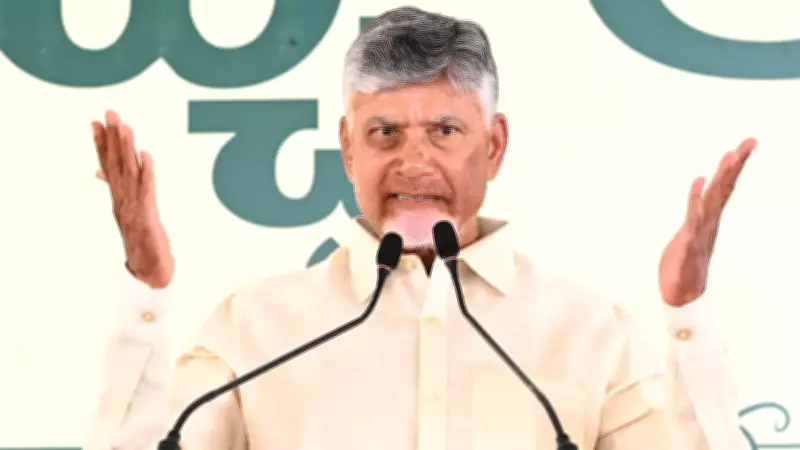
Chandrababu Naidu, the Chief Minister of Andhra Pradesh, is spearheading this initiative in his state. The decision underscores a proactive approach to addressing issues such as cyberbullying, addiction, and exposure to inappropriate content that often affect younger social media users.
Details of the Proposed Ban
The Andhra Pradesh government's ban targets children under 13 years old, setting a slightly lower age threshold compared to Karnataka's restriction for those under 16. This policy aims to:
- Enhance child safety by limiting access to platforms where they might encounter harmful interactions.
- Encourage age-appropriate activities, such as outdoor play and educational pursuits, over excessive screen time.
- Align with global trends where countries are increasingly regulating social media use among minors to mitigate mental health concerns.
Officials have indicated that the ban will involve collaboration with social media companies to enforce age verification measures. This could include stricter sign-up processes and monitoring mechanisms to prevent underage users from creating accounts.
Broader Implications and Reactions
This announcement has sparked discussions among parents, educators, and technology experts. Supporters argue that such bans are necessary to safeguard children's well-being in an increasingly digital world. Critics, however, raise concerns about implementation challenges and the potential for overreach in regulating online access.
The move by Andhra Pradesh and Karnataka reflects a larger trend in India, where state governments are taking independent steps to address digital governance issues. It also comes amid ongoing national debates about internet safety and the role of technology in children's lives.
As these policies develop, stakeholders will be closely watching how they are enforced and what impact they have on youth behavior and digital literacy. The Andhra Pradesh government's decision marks a pivotal moment in the state's approach to blending technology with child protection measures.