Commissions Advocate for State Involvement in Governor Appointments
The Sarkaria Commission and the Punchhi Commission on Centre-State Relations have long emphasized the critical need for state governments to be actively involved in the appointment of governors. These recommendations aim to strengthen the foundational principles of federalism and democracy in India.
Key Recommendations from Commissions
The Sarkaria Commission proposed the formation of panels to facilitate state participation in governor appointments, ensuring a collaborative approach between the central and state governments. Similarly, the Punchhi Commission explicitly stated that governors must be appointed only after thorough consultation with the concerned state, highlighting this as a basic requirement for maintaining harmonious centre-state relations.
Recent Controversies and Federalism Concerns
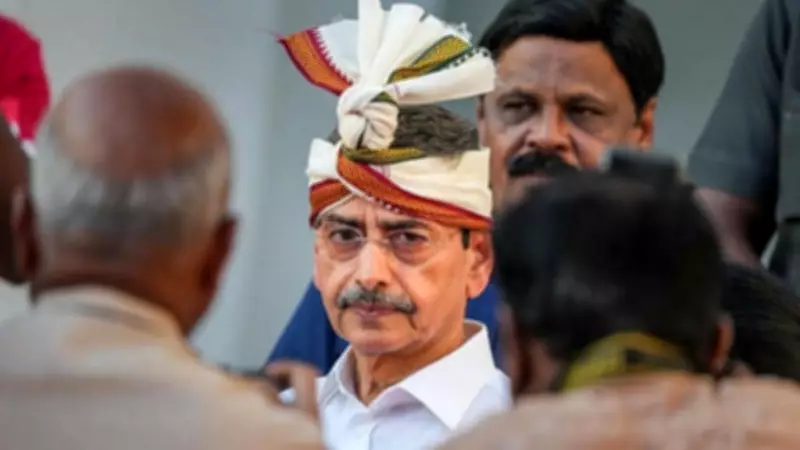
Despite these clear guidelines, recent events, such as the unilateral appointment of a new governor for West Bengal by the Modi government, have raised significant concerns. Critics argue that such actions disregard the commissions' advice and undermine the democratic fabric of federalism. This has sparked debates on whether the central government is adhering to the established norms of consultation and cooperation with states.

The core issue revolves around the implementation of these recommendations. While the commissions provided a framework for inclusive governance, the practical application often falls short, leading to tensions between the centre and states. This situation calls for a renewed focus on respecting state autonomy and ensuring that appointments are made through a transparent and consultative process.
In summary, the Sarkaria and Punchhi Commissions' recommendations serve as a vital guide for upholding federalism in India. Their call for state involvement in governor appointments remains relevant today, urging policymakers to prioritize collaborative governance over unilateral decisions.