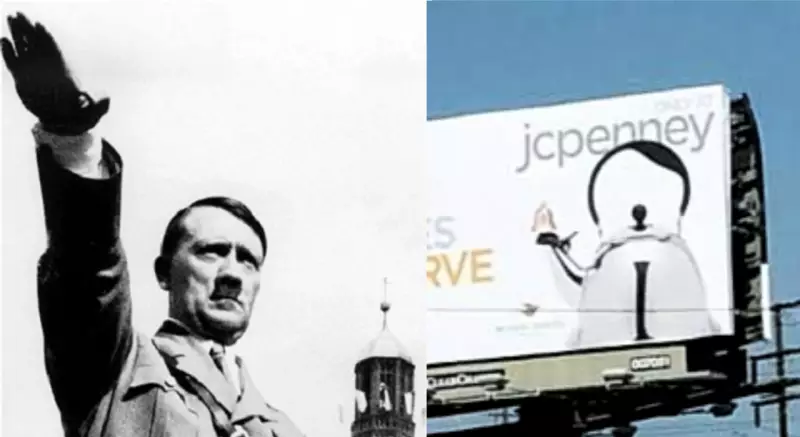
In late May 2013, a simple advertisement for a stainless-steel tea kettle spiralled into one of the most bizarre viral controversies of the social media age. A billboard for US retailer J.C. Penney, located beside the busy 405 Freeway in Culver City, California, unexpectedly became the centre of a massive online debate not for its product, but for an alleged, unintentional resemblance to a notorious historical figure.
The Billboard That Sparked a Firestorm
The advertisement featured a minimalist image of the Bells and Whistles Stainless Steel Tea Kettle, a $40 product designed by the renowned American architect and designer Michael Graves. The product was praised for its practical features like a cool-touch handle and a space-saving design. However, within hours of its image circulating on platforms like Reddit, public perception took a sharp turn.
Online users began pointing out what they saw as an uncanny likeness to Adolf Hitler. The kettle's black, arched handle was interpreted as his side-parted hair, the circular lid knob became a distinctive moustache, and the spout was seen as a raised arm in a salute. This case of pareidolia—where the mind sees familiar patterns—quickly ignited a fierce debate across Twitter, Imgur, and Facebook, forcing traditional media to take notice.

Online Reaction and Ironic Demand
The reaction was swift and satirical. Social media users rewrote nursery rhymes and created side-by-side comparison memes. A poll by Southern California radio station KPCC's blog highlighted the divided opinion: by May 29, 2013, nearly 31% of respondents agreed the billboard resembled Hitler, while about a quarter thought people were imagining things.
Despite the controversy, or perhaps because of it, demand for the kettle skyrocketed. The product sold out online, with many buyers openly admitting to purchasing it ironically. The frenzy pushed resale prices on platforms like eBay to between $160 and $199, far above the original $40 price tag. On J.C. Penney's own Facebook page, reactions were mixed, with some customers like Leigh Anne dismissing the comparison as absurd.
Corporate Response and Lasting Legacy
Facing mounting criticism, J.C. Penney acted quickly. The company removed the controversial billboard from the Culver City location and took down the product page from its website. In public statements, primarily on Twitter, the retailer stressed the resemblance was completely accidental. A spokesperson humorously noted that if they had designed the kettle to look like anything, it would have been a snowman or a bunny.
Over a decade later, the story has resurfaced, not due to new claims, but because old screenshots and footage are recirculating on social media. This revival underscores how a minimalist image, a strategic billboard location, and the power of collective interpretation can create a lasting cultural moment. The episode remains a textbook example of how social media can redefine a brand's message overnight, overwhelming original intent and design.