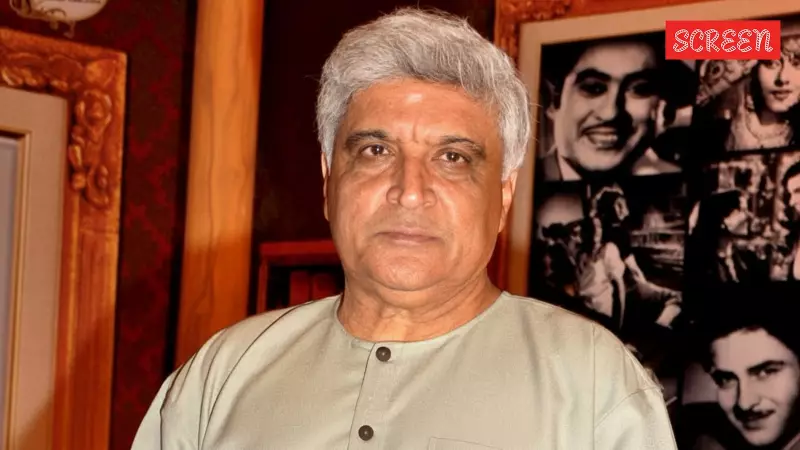
Veteran screenwriter and lyricist Javed Akhtar has found himself the latest victim of malicious artificial intelligence (AI) technology, joining a growing list of Indian celebrities targeted by deepfake disinformation. The incident, which came to light in early January 2026, involved a fabricated video that spread rapidly across social media platforms.
The Fabricated Video and Akhtar's Furious Response
An AI-generated clip, which surfaced online recently, falsely depicted Javed Akhtar wearing a traditional topi (skullcap). The manipulated video falsely had him proclaiming that he had "turned to God." This portrayal was particularly jarring given Akhtar's well-known public stance as a staunch atheist over many years. The seemingly sudden shift in belief, as presented by the deepfake, sparked widespread discussion and confusion among netizens before being debunked.
Akhtar did not take the violation lightly. He took to X, formerly known as Twitter, on January 2, 2026, to categorically deny the video's authenticity and announce his intent to pursue legal recourse. He clarified that the video was a fake, computer-generated image and labeled the content as "rubbish." In his post, he stated he was "seriously considering" reporting the matter to the cyber police with the aim of dragging both the creator and those who forwarded the clip to court for damaging his reputation and credibility.

A Growing Menace: Celebrities Under AI Attack
Javed Akhtar's case is not an isolated one but part of a dangerous and escalating trend in India. In recent years, numerous high-profile personalities from the entertainment industry have been subjected to similar AI-generated forgeries, including deepfake videos and morphed images. The list includes actors like Rashmika Mandanna, Amitabh Bachchan, Alia Bhatt, Ranveer Singh, and Shilpa Shetty.
Most recently, actor and Mandi MP Kangana Ranaut also spoke out against the rampant use of AI to alter her images. She expressed frustration over waking up daily to see herself depicted in various AI-generated outfits, urging people to stop digitally "dressing up" others and violating their personal prerogative.
The threat has quantifiable financial consequences as well. According to a McAfee report titled "Most Dangerous Celebrity: Deepfake Deception List," a staggering 90 percent of Indians have encountered fake or AI-generated celebrity endorsements. The report revealed that victims of such scams lose an average of Rs 34,500. It named Shah Rukh Khan as the most exploited celebrity in this regard, followed by Alia Bhatt and Priyanka Chopra Jonas.
Public Support and the Call for Accountability
Akhtar's firm stance against the deepfake garnered significant support from the online community. Users rallied behind him, condemning the act and highlighting the broader societal danger of such manipulated content. Many comments on his post called deepfakes "pure poison" and labeled misinformation as the "real evil." One user sarcastically noted that the creator of the video needed divine intervention more than Akhtar, specifically to pay their impending legal fees.
The incident underscores a critical challenge in the digital age: the ease with which AI tools can be weaponized to create convincing false narratives and impersonate individuals. It raises urgent questions about cybersecurity, personal reputation, and legal frameworks needed to combat this new form of character assassination and fraud. As AI technology becomes more accessible, the onus is increasingly on platforms, lawmakers, and the public to develop robust mechanisms for verification and severe penalties for misuse.