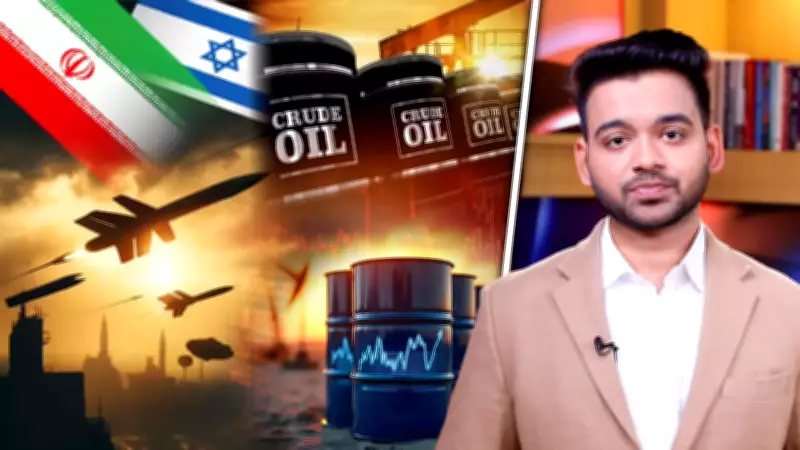
Middle East Crisis After Khamenei's Death: India's Oil, LPG Supply at Risk
The Middle East region is facing heightened instability following the reported death of Iran's Supreme Leader, Ayatollah Ali Khamenei. This development has triggered escalating tensions involving the United States and Israel, creating significant concerns for global markets. India's energy security and international trade are particularly vulnerable due to the country's heavy reliance on critical maritime chokepoints in the region.
Critical Maritime Routes Under Threat
India's energy imports face substantial exposure through two vital waterways: the Strait of Hormuz and the Bab el-Mandeb Strait. Approximately 35–50% of India's total crude oil imports, along with significant volumes of liquefied natural gas (LNG) and liquefied petroleum gas (LPG) shipments, transit through the Strait of Hormuz. Any disruption to these crucial routes could have immediate and severe consequences for India's energy supply chain.
Potential disruptions could manifest in several ways:

- Significant slowdowns in shipping operations through affected regions
- Substantial increases in freight and insurance costs for energy shipments
- Rapid escalation of oil and LPG prices in domestic markets
- Knock-on effects on inflation rates and overall trade balances
India's Energy Vulnerability Exposed
The current geopolitical situation highlights India's particular vulnerability in the LPG sector. India imports between 80–85% of its LPG requirements from Gulf nations and lacks comparable strategic reserves for this fuel, unlike its strategic petroleum reserves for crude oil. This makes LPG supply chains significantly more fragile and susceptible to disruption.
While India does have some alternatives for crude oil supply, these options come with substantial drawbacks:
- Strategic petroleum reserves can provide temporary relief but have limited capacity
- Increased imports from Russia, the United States, and African nations involve higher transportation costs
- Alternative supply routes typically require longer transit times, delaying delivery
- Diversified sourcing often comes with premium pricing during crisis situations
Broader Economic Implications
The geopolitical instability extends beyond energy concerns to affect nearly 10 million Indian citizens residing in Gulf Cooperation Council countries. Prolonged regional instability could impact:
- Remittance flows from Indian expatriates working in Gulf nations
- Existing trade agreements and economic partnerships with regional countries
- Regional economic growth that supports Indian business interests
- Diplomatic relations and security cooperation in the Middle East
This situation underscores India's significant exposure to geopolitical risks in the Gulf region and highlights the broader economic ramifications of disruptions in global energy and trade networks. The current crisis serves as a stark reminder of how international events in distant regions can directly impact India's economic stability and energy security.
The evolving situation in the Middle East requires careful monitoring as India navigates these complex geopolitical waters while attempting to maintain stable energy supplies and protect its economic interests in the region.