

Indian Stock Markets Experience Sharp Decline Amid Geopolitical Tensions
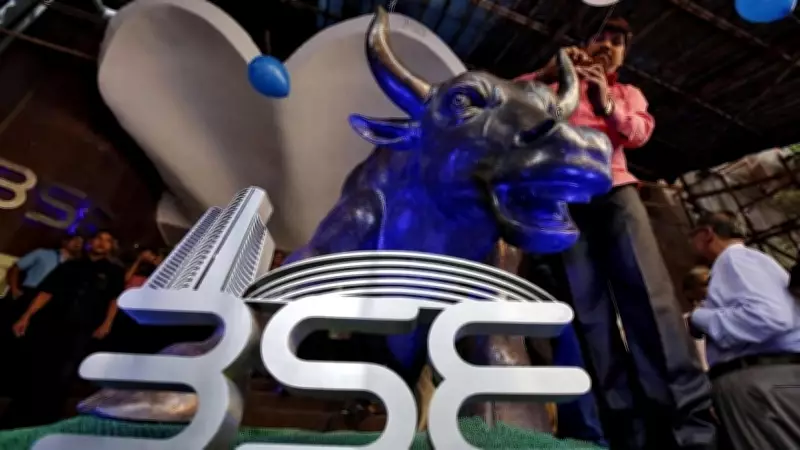
The Indian stock market witnessed a substantial downturn as the Sensex and Nifty indices continued to trade with deep cuts on March 2, 2026. This decline is primarily attributed to the intensifying crisis in West Asia, which has heightened global economic uncertainties and investor anxiety.
Key Market Performers and Laggards
From the Sensex pack, several prominent companies emerged as the biggest laggards during this trading session. Larsen & Toubro, a major engineering and construction firm, saw significant losses, reflecting concerns over infrastructure projects and global supply chain disruptions. Adani Ports, a key player in the logistics sector, also faced heavy selling pressure, likely due to its exposure to international trade routes affected by the geopolitical situation.
InterGlobe Aviation, the parent company of IndiGo, experienced a notable drop, possibly linked to rising fuel costs and travel restrictions stemming from the crisis. Maruti Suzuki, India's largest car manufacturer, and Asian Paints, a leading paints company, were among other major losers, indicating broader market pessimism across diverse industries.

Reliance Industries, a conglomerate with interests in energy, retail, and telecommunications, also traded lower, underscoring the widespread impact of the West Asia tensions on both domestic and international business operations.
Factors Driving the Market Downturn
The escalation of the West Asia crisis has created a ripple effect across global financial markets, with Indian equities being no exception. Investors are closely monitoring developments in the region, as any further intensification could lead to increased volatility and economic instability. The situation has prompted a risk-off sentiment, leading to sell-offs in high-beta stocks and sectors vulnerable to geopolitical shocks.
Market analysts suggest that the ongoing crisis may affect oil prices, trade flows, and foreign investment, all of which are critical for the Indian economy. As a result, traders are exercising caution, leading to reduced market liquidity and heightened price fluctuations.
Outlook and Implications
As the West Asia crisis continues to unfold, market participants are advised to stay vigilant and consider the potential long-term implications on portfolio performance. The current trading patterns highlight the interconnectedness of global events and local market dynamics, emphasizing the need for strategic investment approaches in times of uncertainty.
While short-term corrections are expected, the resilience of the Indian economy and corporate sector will be tested in the coming days. Investors should keep an eye on further updates from geopolitical fronts and economic indicators to make informed decisions.






