Major Music Events in Gulf Region Disrupted by Ongoing Conflict
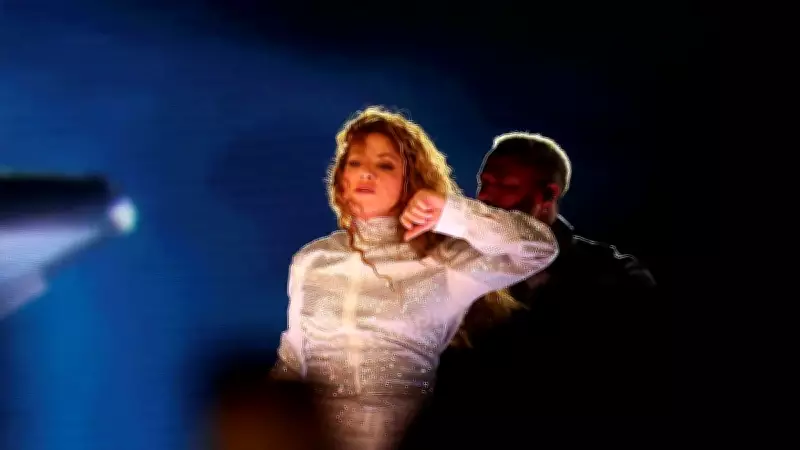
In a significant development impacting the entertainment landscape of the Middle East, the highly anticipated Offlimits Music Festival in Abu Dhabi has been officially postponed. The festival, which was set to feature global superstars Shakira and the Jonas Brothers as headliners, will now take place in November 2026 instead of its original schedule. This decision comes as regional conflicts continue to escalate, creating an unstable environment for large-scale public gatherings.
Event Details and New Timeline
The Offlimits Music Festival, a premier event on Abu Dhabi's cultural calendar, was expected to draw thousands of international and local fans. Organizers announced the postponement on March 24, 2026, citing safety concerns and logistical challenges posed by the raging conflict in the area. While specific dates for the November rescheduling have not been disclosed, officials assure that all purchased tickets will remain valid for the new event.
This postponement also affects related events in Doha, where Shakira was scheduled to perform as part of her tour. The interconnected nature of regional entertainment circuits means that disruptions in one major hub like Abu Dhabi have ripple effects across neighboring cities, including Doha in Qatar.

Impact on Artists and Fans
The delay represents a substantial setback for both performers and attendees. Shakira, known for her electrifying live shows, and the Jonas Brothers, who have recently made a successful comeback, were poised to deliver memorable performances. Fans who had made travel arrangements and accommodations are now facing uncertainty, though festival organizers have pledged to provide support and updates as the situation evolves.
The entertainment industry in the Gulf region has been growing rapidly, with cities like Abu Dhabi and Doha investing heavily in becoming global cultural destinations. This postponement highlights how geopolitical tensions can directly influence cultural and economic activities, even in areas known for their stability and development.Broader Context and Future Outlook
The decision to postpone rather than cancel the festival indicates a commitment to eventually hosting the event once conditions improve. However, with conflicts showing no immediate signs of abating, the entertainment sector in the region may face further disruptions. Industry analysts suggest that this could lead to:
- Rescheduling of other major concerts and festivals in the Gulf
- Increased insurance costs for event organizers
- A shift towards virtual or hybrid event formats as contingency plans
As of now, authorities are monitoring the situation closely, with hopes that the November timeline will provide a safer window for the festival. The postponement serves as a reminder of the fragile balance between cultural aspirations and geopolitical realities in today's interconnected world.