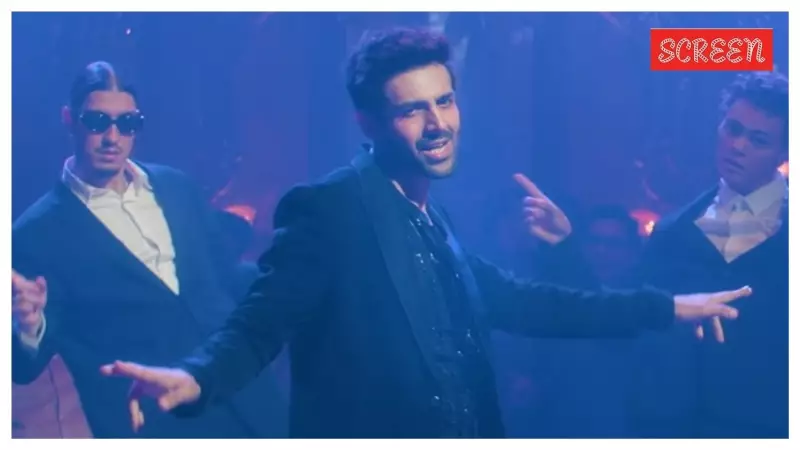
The iconic 1989 song "Saat Samundar Paar" is embroiled in a fresh controversy, finding itself at the centre of a legal dispute and a lyrical credit row. The new version, featured in Kartik Aaryan's upcoming Christmas release Tu Meri Main Tera, has prompted original producer Rajiv Rai to take legal action and drawn criticism from the late legendary lyricist Anand Bakshi's family.
Legal Battle Over Song Rights Intensifies
The core of the conflict lies in the ownership of the song's rights. Rajiv Rai, the producer of the original 1989 film Tridev under his banner Trimurti Films, has initiated legal proceedings against Dharma Productions and the music label Saregama Music. Rai alleges the use of the song in the new film is unauthorized.
Rai told Mid-Day that Saregama, while having rights for TV and stage, cannot license the film's music for use in another movie without his permission. He called the trend of producers claiming rights via music labels a "bad trend" and emphasized the need for proper documentation and payment.

The matter is now sub judice, with both Rai and the original music composer Viju Shah declining to comment. The next hearing on the rights issue is scheduled for January 9. In a recent hearing, the court did not order the removal of the song from the film or its promotions, considering the inconvenience it would cause ahead of the film's Christmas release.
Anand Bakshi's Son Questions Lyricist Credit
Parallel to the legal fight, a creative credit issue has upset the family of the song's original creator. Rakesh Anand Bakshi, son of lyricist Anand Bakshi, has expressed strong displeasure over how the credits are presented for the new version.
On platforms like YouTube and Spotify, the lyrics credit is shared between the late Anand Bakshi and singer Karan Nawani, who also provided additional music. Rakesh called it strange to credit the singer as a co-composer and co-lyricist. He questioned why anyone would "dishonour" his father's work by claiming a co-creator credit for what he suggests are minimal additions.
"It's not a crime, but why dishonour anyone's work by claiming co-creator's credit for two lines?" Rakesh told SCREEN. He suggested the credits should have clearly distinguished between original and additional lyrics, just as was done for the music.
Rakesh also revealed a personal connection to the song, stating his father wrote it inspired by Rakesh's then-wife who came from Kenya to marry him, making it a deeply special composition.
A History of Similar Disputes and Settlements
This is not the first time songs from Rajiv Rai's films have been reused, leading to conflicts. Previously, Dharma Productions and Rohit Shetty Picturez used "Tip Tip Barsa Paani" from Mohra (1994), which was later settled out of court.
Another song, "Tu Cheez Badi Hai Mast Mast" from the same film, was recently used in a Telugu film's teaser, but Rai confirmed that use was authorized and paid for. As an exception, Rai also permitted the use of "Duniya Haseeno Ka Mela" from Gupt for a Netflix series as a favour to friends Shah Rukh Khan and Bobby Deol.
The recurring pattern highlights the complex and often ambiguous landscape of music copyrights in Bollywood, where the lines between music label rights and film producer rights frequently blur, leading to legal confrontations.