Kate Winslet Reveals the Psychological Toll of Immersive Acting
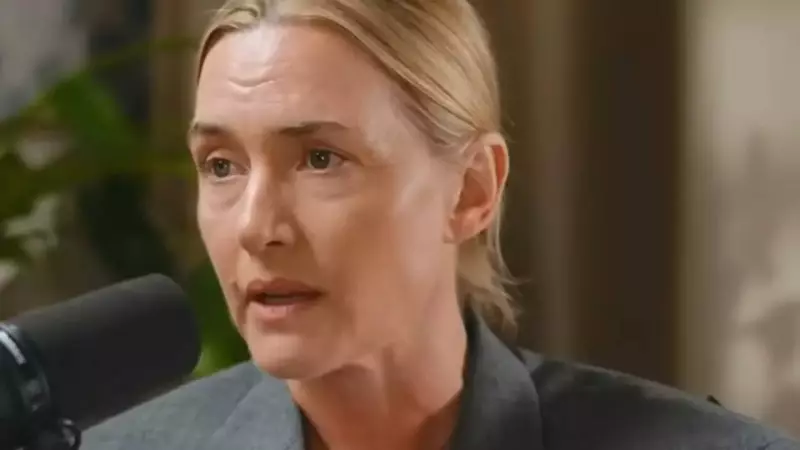
Academy Award-winning actress Kate Winslet has candidly shared her personal struggles with what she calls "re-entry" into her own life after portraying deeply troubled characters on screen. In a revealing interview on the 'Lessons from Our Mothers' podcast, the Hollywood icon discussed the emotional and psychological challenges actors face when detaching from intense roles.
The Concept of 'Re-Entry' After Immersive Performances
Winslet explained this phenomenon with remarkable honesty, acknowledging it might sound "self-indulgent" but represents a genuine psychological process. "There's this thing that happens as an actor," she revealed. "When you play a really difficult part - I think of Mare of Easttown, for example, which flattened me, my god - you do have to kind of come out the other side."
The actress elaborated on her personal terminology for this transition: "I call it re-entry. Re-entry into your own life, going back into your friendships, reintegrating into the rhythm of family again. Exiting a family, leaving people behind, letting a character go." She emphasized that this process isn't instantaneous, particularly for roles sustained over extended periods.

The 'Mare of Easttown' Experience and Professional Help
Winslet provided a detailed account of her experience filming the critically acclaimed 2021 crime drama 'Mare of Easttown', where she portrayed a troubled Pennsylvania detective. The production was significantly disrupted by the coronavirus pandemic, extending what was originally planned as a six-month shoot.
"COVID happened after the five months that we had been shooting, and everything got pushed," she recalled. "When we came back, our five remaining weeks turned into ten. By the end of the whole thing, I'd been playing that character for over a year."
This extended immersion took a substantial psychological toll. "I really, honestly, went a bit mad. It was quite weird," Winslet confessed. "It's the only time in my life that I actually had to get some proper help, to come back to myself." She acknowledged the potential perception of her admission, stating: "It sounds completely insane, and even as I say it, I feel quite uncomfortable saying it, because I'm aware of how bonkers and indulgent that can sound."
Supporting Her Son Through Similar Experiences
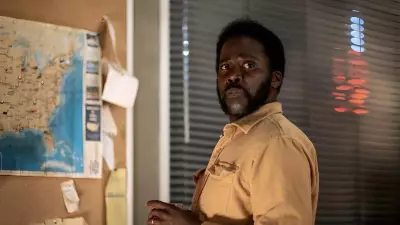
The conversation took a poignant turn as Winslet discussed her 22-year-old son, Joe Anders, who is following in her acting footsteps. She expressed gratitude for being able to support him as he navigates his own "re-entry" process after starring in the new series 'Cape Fear'.
"He's a few months out the other side of that, and he's still in the experience of the re-entry," she shared. "I'm able to actively support my son in this moment in his life, when actually, the mothering does kick in again on a very cellular level."
Winslet described her supportive approach: "Good meals, good walk, let's get in the sea. Don't need to talk today? That's fine. Want to stay in bed today? Absolutely fine. You don't need to do anything. Doesn't matter. Do nothing and be okay with it." This nurturing perspective highlights how her personal experiences have informed her parenting approach during challenging professional transitions.
The actress's revelations provide a rare glimpse into the psychological complexities of method acting and character immersion, challenging the glamorous perception of Hollywood stardom with authentic vulnerability about mental health and professional recovery.