A spiritual journey by Bollywood actress Nushrratt Bharuccha to one of Hinduism's most revered shrines has ignited a significant controversy, drawing a sharp religious decree from a Muslim cleric. The actress's participation in rituals at the Mahakaleshwar Temple in Ujjain led Maulana Mufti Shahabuddin Razvi Bareilvi, the national president of the All India Muslim Jamat, to issue a fatwa, terming her actions a contravention of Islamic law.
The Temple Visit and Social Media Post
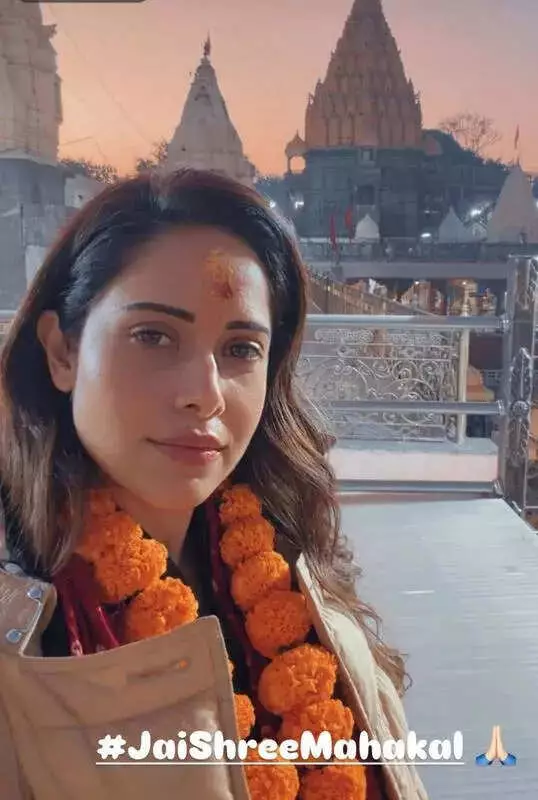
On Tuesday, Nushrratt Bharuccha, celebrated for her performances in films like Sonu Ke Titu Ki Sweety and Dream Girl, shared details of her second pilgrimage to the world-famous Mahakaleshwar Jyotirlinga. She expressed profound reverence for the experience, particularly her involvement in the sacred Bhasma Aarti and receiving blessings from the priests.
Videos and photographs from her visit quickly circulated across social media platforms. The visuals captured the actress in deep prayer and being presented with a temple chadar (shawl) inside the sanctum sanctorum. Bharuccha described these moments as "beautiful" and "deeply meaningful."

In a video shared online, she elaborated on her experience, stating, "This is my second visit to the temple; I really liked the way special arrangements are made and attention given to smallest details for all the pilgrims. There are so many people who have come to seek blessings of Mahakal just before New Year; and now I also plan to come here every year." She further amplified her sentiments by posting "Jai Mahakal" on her Instagram story.
The Fatwa and Religious Objection
Within hours of her posts going viral, Maulana Mufti Shahabuddin Razvi Bareilvi issued a religious opinion or fatwa. He objected strongly to the actress's visible participation in Hindu rituals, stating it went against Sharia (Islamic law) and constituted a "grave sin" (Gunah-e-Azeem) for an observing Muslim.
When questioned by the Times of India about the basis of his statement, Razvi clarified that visiting places of worship of other faiths is not inherently problematic. However, he drew a firm line at participation in worship. "As a Muslim, we can't indulge in idol worship or participate in the rituals of other religions," he asserted.
He specifically referred to visuals of Bharuccha wearing a tika (vermilion mark), taking part in the Bhasma Aarti, and offering jal (water), arguing these acts crossed a doctrinal boundary in his interpretation of Islam. "I don't have any legal authority to take action… I can only guide and advise that she must do tauba (repent) and read Kalma to atone for her gunah," Razvi added, emphasizing the advisory nature of his fatwa.
Social Media Debate and Razvi's Defense
The issuance of the fatwa, which is a non-binding religious opinion and not a legal verdict, sparked intense debate on social media. While some supported the cleric's stance on religious purity, many others criticized it, leading to a flood of hate comments directed at Razvi.
Addressing whether such orthodox pronouncements could deepen communal divides, Razvi responded defiantly. "Hate comments don't bother me," he said. He positioned himself as a figure who has consistently spoken against violence, citing his vocal stance against Hindu killings in Bangladesh, Kashmir, and Pakistan.
"But, I have always shirked orthodoxy... but here, I'm only guiding as a religious leader. If Nushrratt is a good Muslim, she will pay heed; else she can simply ignore my fatwa," he concluded, leaving the onus on the actress. The incident underscores the ongoing tension between personal spiritual expression, public perception, and rigid religious interpretations in India's diverse socio-cultural landscape.