Candace Owens Dismisses Both Super Bowl Halftime Shows as Politically Driven
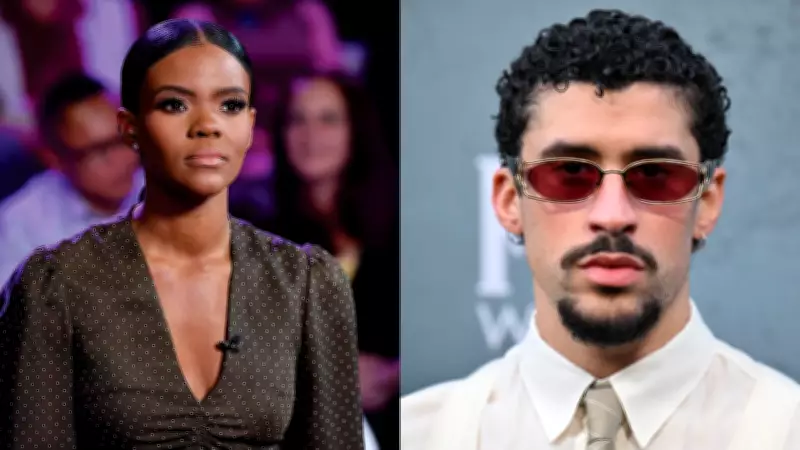
In a striking social media post on February 8, 2026, conservative political commentator Candace Owens refused to endorse either the official Super Bowl halftime performance by Bad Bunny or the alternative show led by Kid Rock. Instead, she bluntly rejected both options, sparking widespread online discussion about the increasing politicization of entertainment events.
Owens Criticizes the "Left vs. Right" Narrative in Entertainment
Candace Owens expressed her frustration with what she described as the constant left-versus-right framing that has permeated cultural spectacles. In her post on X, she stated, "The left vs. right grift is actually boring now," emphasizing her weariness with political divisions overshadowing pure entertainment. She argued that viewers were being pressured to choose political labels rather than simply enjoying the game and performances.
Her criticism was not directed at one political side alone but at the broader trend of entertainment becoming tied to ideological teams. Owens questioned, "What exactly are we doing here, America?" highlighting her concern about the commercialization of identity in place of artistic expression.

Detailed Critique of Both Halftime Shows
Owens specifically addressed the two competing halftime shows that captured national attention during the 2026 Super Bowl. She first pointed to the official halftime show featuring Bad Bunny, noting that it was presented "without a word of English spoken." According to BBC reports, Bad Bunny made history by performing the entire Super Bowl halftime show in Spanish, focusing on Puerto Rican culture and unity with guest appearances by Lady Gaga and Ricky Martin. He concluded with the message, "Together, We Are America," and the phrase "God bless America." Despite this, U.S. President Donald Trump criticized the performance on Truth Social as "absolutely terrible," though Bad Bunny avoided direct political statements during the show.
Turning to the alternative broadcast organized by Turning Point USA, which featured Kid Rock, Owens accused the conservative group of artificially inflating its success. She claimed that Turning Point USA paid advertisers and influencers to make the show appear larger than it was, with view numbers manipulated to seem record-breaking. The event, promoted as a patriotic alternative, included performances by Brantley Gilbert, Lee Brice, and Gabby Barrett, as reported by UNILAD.
Broader Implications for Entertainment and Politics
Candace Owens' comments underscore a growing debate about the intersection of politics and entertainment in major cultural events. Her rejection of both halftime shows reflects a sentiment that such spectacles have become platforms for political messaging rather than neutral entertainment. This incident highlights how high-profile events like the Super Bowl are increasingly polarized, with audiences expected to align with ideological camps.
The 2026 Super Bowl halftime shows drew massive attention and strong reactions from various quarters, but Owens' critique focused on the underlying dynamic of identity salesmanship. She argued that the night had devolved into two loud camps trying to sell political identities instead of providing genuine entertainment, a trend she finds tiresome and unengaging.
As discussions continue, Owens' blunt assessment serves as a reminder of the challenges in balancing artistic expression with political narratives in today's divided cultural landscape. Her call for a return to entertainment free from partisan framing resonates with those weary of constant ideological battles in popular media.